

Facial Concealer for Interviews: Your 2026 Guide
TL;DR:
- Facial concealer, when used correctly, enhances a professional appearance by covering imperfections and brightening key areas. It helps eliminate distractions like dark circles, redness, and blemishes, allowing focus on what you say rather than your skin.
Facial concealer is a precision tool that, when used correctly, enhances your professional appearance in job interviews by covering imperfections and brightening key areas without drawing attention. The role of facial concealer in interviews is not to transform how you look. It is to present the clearest, most composed version of yourself. Minimalist makeup is the industry standard for professional settings, and concealer sits at the center of that approach. Used well, it removes visual distractions so the interviewer focuses on what you say, not what your skin looks like.
What is the importance of concealer for interviews?
Concealer addresses three specific concerns that affect how you read in a professional room: under-eye circles, redness, and blemishes. Each of these signals something unintended. Dark circles suggest fatigue. Redness around the nose or chin can look like irritation or stress. A visible blemish draws the eye away from your face and toward your skin. Concealer neutralizes all three without requiring a full face of makeup.
The psychological benefit is just as real as the visual one. Interview makeup aids psychological preparation, helping candidates shift into a professional mindset and reduce mental distractions about skin imperfections. That cognitive shift helps you maintain better eye contact and stay present in the conversation. When you are not thinking about a blemish on your chin, you think about your answers instead.
“Interview makeup is not about transformation. It is about looking like your best self so you can present confidently.” Makeup artist Gabrielle Houghton frames the goal clearly: a polished look signals professionalism and attention to workplace culture without overpowering your personality.
Recruiters read a polished appearance as a visual shorthand for competence. Heavy, cakey foundation or dramatic makeup can distract and reduce perceived competence. Concealer, used selectively, keeps the focus where it belongs.
- Covers under-eye circles to project alertness and energy
- Neutralizes redness to reduce the appearance of stress or irritation
- Targets individual blemishes without masking your natural skin texture
- Supports a “my skin but better” finish that reads as groomed, not made up
How to apply facial concealer effectively for job interviews
The order of application matters more than most people realize. Apply concealer after foundation to avoid wiping away coverage and maximize product efficacy. Foundation creates the base. Concealer then targets what foundation could not fully address. Reversing this order wastes both products.
Follow these steps for a clean, long-lasting result:
- Start with a primer. Apply a thin layer of skin-tone primer to create a smooth surface. This step extends wear and prevents concealer from settling into fine lines.
- Apply foundation first. Use a light-coverage foundation or tinted moisturizer across the face. Keep it thin.
- Apply concealer to targeted areas. Dot concealer under the eyes, on any redness around the nose or chin, and directly on individual blemishes.
- Blend with a tapping motion. Use a gentle tapping motion with a dense brush or your fingertip to press concealer into the skin without disturbing the foundation beneath.
- Build in thin layers. Applying concealer in thin, layered applications prevents creasing and produces a more natural texture than one thick coat.
- Set the T-zone with translucent powder. Dust lightly across the forehead, nose, and chin to control shine. Avoid heavy powder on the under-eye area, which can look dry and aged under interview lighting.
- Finish with a light setting spray. A fine mist locks everything in place. Concealer applied with setting spray lasts 6–8 hours, covering a full interview day.
Pro Tip: Test your concealer and foundation together at least 30 minutes before you need them. Product color can darken up to 30 minutes post-application, and SPF-based formulas can cause flashback under camera or fluorescent lighting. Test in similar lighting to your interview environment.
For men new to concealer application, the step-by-step concealer routine from Norml4men breaks down each stage with skin-specific guidance.
How to choose the right concealer shade and formula
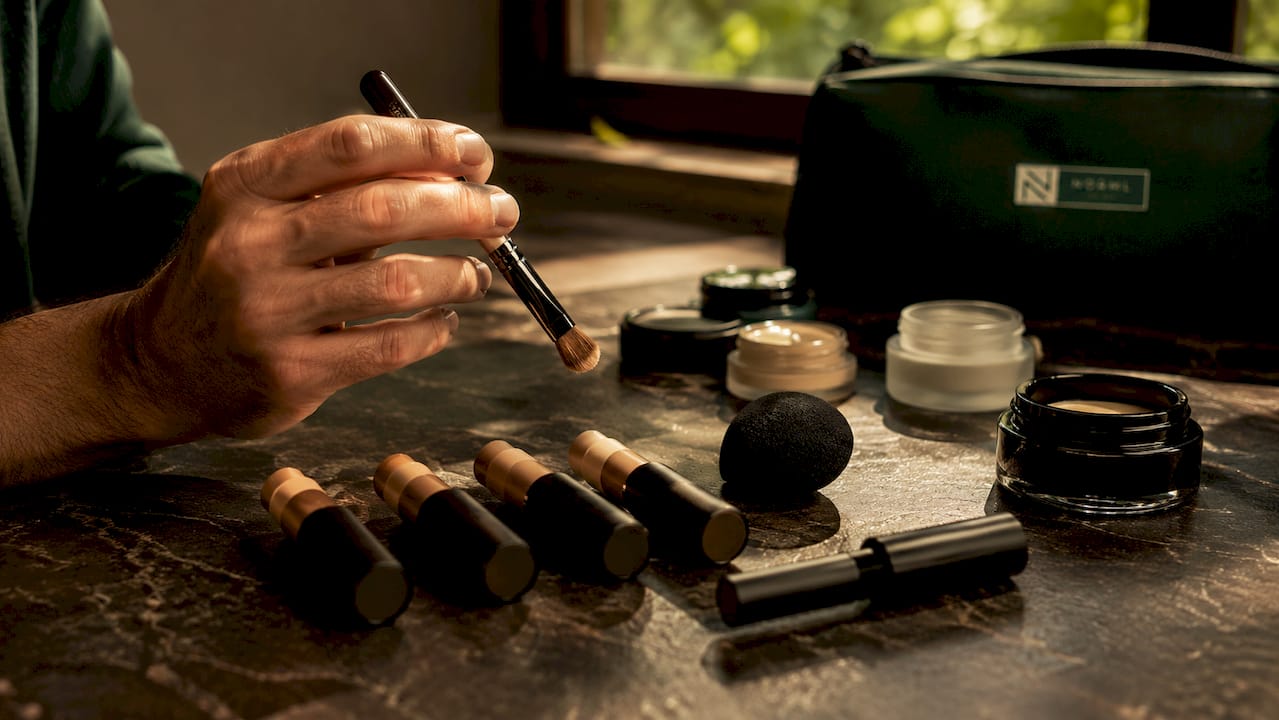
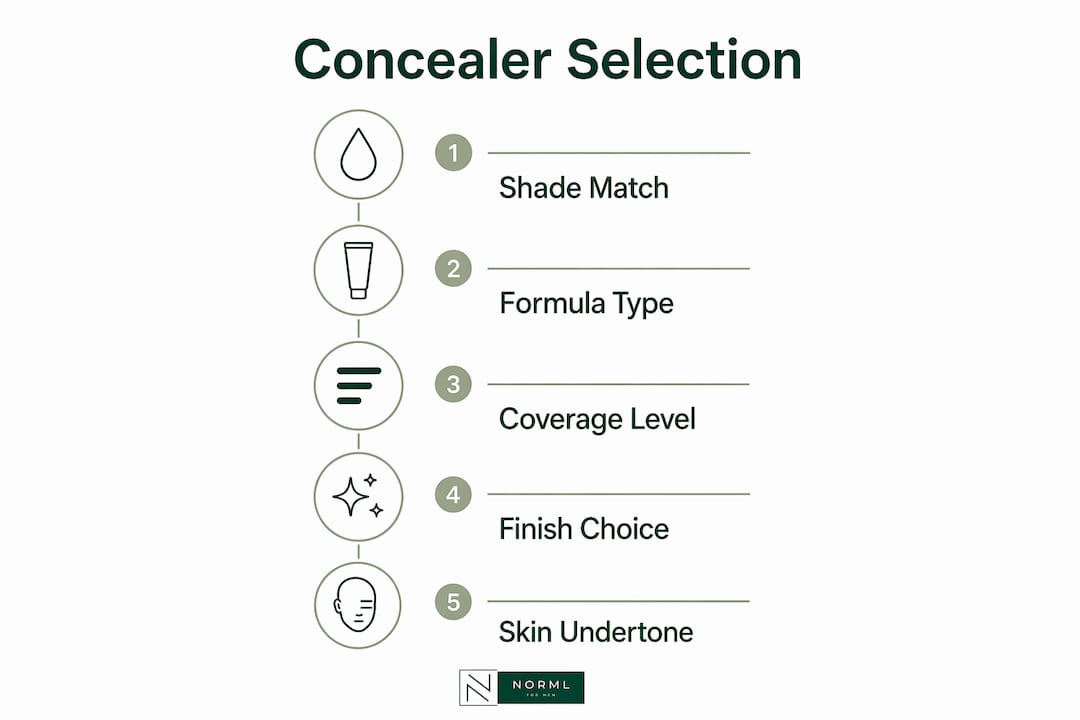
Shade selection is where most people go wrong. A concealer that is too light creates a pale, ghostly patch under the eyes. One that is too dark adds shadow instead of removing it. The goal is a shade that matches your skin tone exactly, or sits one half-shade lighter to brighten without creating contrast.
For under-eye circles with a blue or purple tone, a concealer with a peach or pink undertone neutralizes the discoloration before the skin-matching shade goes on top. This two-step approach is standard in professional makeup, and it works on all skin tones. The deeper your skin tone, the more orange the correcting shade needs to be.
- Match your skin tone for blemishes and redness coverage
- Go one half-shade lighter for under-eye brightening
- Choose peach or pink undertones to neutralize blue or purple circles
- Avoid shades with a gray or ashy cast, which read as unnatural under office lighting
- Test on your jawline, not your wrist, for the most accurate match
Formula matters as much as shade. A full-coverage, matte formula works well for blemishes. A lighter, slightly luminous formula suits the under-eye area, where a flat matte finish can look dry. For interviews, prioritize long-wear formulas that do not require touch-ups mid-conversation.
| Concern | Recommended formula | Finish |
|---|---|---|
| Under-eye circles | Light to medium coverage | Slightly luminous |
| Redness or rosacea | Medium to full coverage | Matte |
| Individual blemishes | Full coverage, spot formula | Matte |
| General skin evening | Buildable, lightweight | Natural or satin |
Picking the right concealer shade for your skin tone is the single most important decision in this process. Norml4men covers this in detail for men across a range of skin tones.
What concealer mistakes should you avoid in interviews?
The most common mistake is using too much product. One thick layer of concealer creases within an hour, especially under the eyes. It also catches light in a way that makes the skin look textured rather than smooth. Thin layers, built gradually, solve both problems.
Pro Tip: If your concealer starts to crease mid-interview, press a clean fingertip gently into the area. The warmth of your skin re-blends the product without adding more.
- Mismatched shades create visible lines at the edge of the concealed area. Mismatched shades and harsh lines signal a lack of attention to detail to recruiters.
- Applying concealer before foundation means the foundation brush wipes it away. Always apply foundation first.
- Heavy contouring or dramatic eye makeup shifts attention from your qualifications to your appearance. Keep everything neutral.
- Skipping setting spray leads to fading and shine within two to three hours, well before most interviews end.
- Choosing a formula with SPF can cause flashback in photos or video interviews, making the skin look white or reflective under flash.
The gold standard is a “my skin but better” finish. Anything beyond that works against you in a professional setting.
How to build a minimalist interview makeup routine around concealer
A minimalist routine starts with skin, not product. Hydrated, moisturized skin holds makeup better and looks healthier under any lighting. Apply a lightweight moisturizer 10 minutes before primer to give it time to absorb. This single step improves every product that goes on top.
Concealer does the heavy lifting in a minimal routine. You do not need foundation across the entire face if your skin is relatively even. Spot-apply concealer only where you need it, blend the edges carefully, and set with a light dusting of powder. The result looks like healthy skin, not makeup.
A personalized grooming approach supports this kind of routine. Knowing your skin type, your undertone, and your specific concerns makes every product choice faster and more effective.
| Step | Product type | Purpose |
|---|---|---|
| Moisturize | Lightweight, non-greasy | Hydrate and prep skin |
| Prime | Skin-tone primer | Smooth texture, extend wear |
| Conceal | Targeted concealer | Cover circles, redness, blemishes |
| Set | Translucent powder (T-zone only) | Control shine |
| Finish | Light setting spray | Lock in coverage |
For men specifically, the minimal men’s makeup approach from Norml4men focuses on exactly this: fewer products, targeted application, and a result that no one notices except you. Keep lip color neutral, skip dramatic eye products, and let your skin texture show through. The goal is to look awake and composed, not polished in a theatrical sense.
Concealer blending technique determines whether the result looks natural or obvious. Blend outward from the center of the concealed area, feathering the edges until there is no visible line.
Key Takeaways
Facial concealer, applied correctly and in the right shade, is the single most effective tool for projecting a polished, professional appearance in a job interview without looking like you are wearing makeup.
| Point | Details |
|---|---|
| Apply concealer after foundation | Foundation goes first so concealer is not wiped away during blending. |
| Build coverage in thin layers | Thin layers prevent creasing and produce a more natural finish than one thick coat. |
| Match shade to skin tone | A mismatched shade creates visible lines that signal poor attention to detail. |
| Test products before the interview | Color can shift up to 30 minutes post-application; test in similar lighting conditions. |
| Set only the T-zone with powder | Heavy powder under the eyes looks dry and aged under office or camera lighting. |
Why I think most men underestimate this tool
Most men I talk to treat concealer as optional, something they might try if a breakout is bad enough. That framing misses the point entirely. Concealer is not a crisis product. It is a daily grooming tool in the same category as a clean shave or a pressed shirt. The difference is that its effect is invisible when done right, which is exactly why it works.
I have watched men walk into high-stakes interviews visibly distracted by their own skin. A red patch on the chin, a dark circle from a bad night’s sleep, a blemish that appeared the morning of. These things are minor. But they occupy mental space at exactly the moment when you need full focus. Covering them takes 90 seconds. The mental clarity that follows lasts the entire interview.
Patrick Ta describes concealer as a sculpting tool that respects natural face structure while refining imperfections. That framing is right. You are not hiding who you are. You are removing noise so the interviewer sees the signal clearly.
The men who resist concealer often do so because they associate it with a look they do not want. Heavy, obvious, theatrical. But that is a product and application problem, not a concealer problem. A lightweight, matte formula applied with a fingertip in 60 seconds looks like nothing at all. That is the version worth knowing.
— Ford
Norml4men: built for exactly this moment
The concealer most men reach for was not designed with them in mind. Norml4men was.
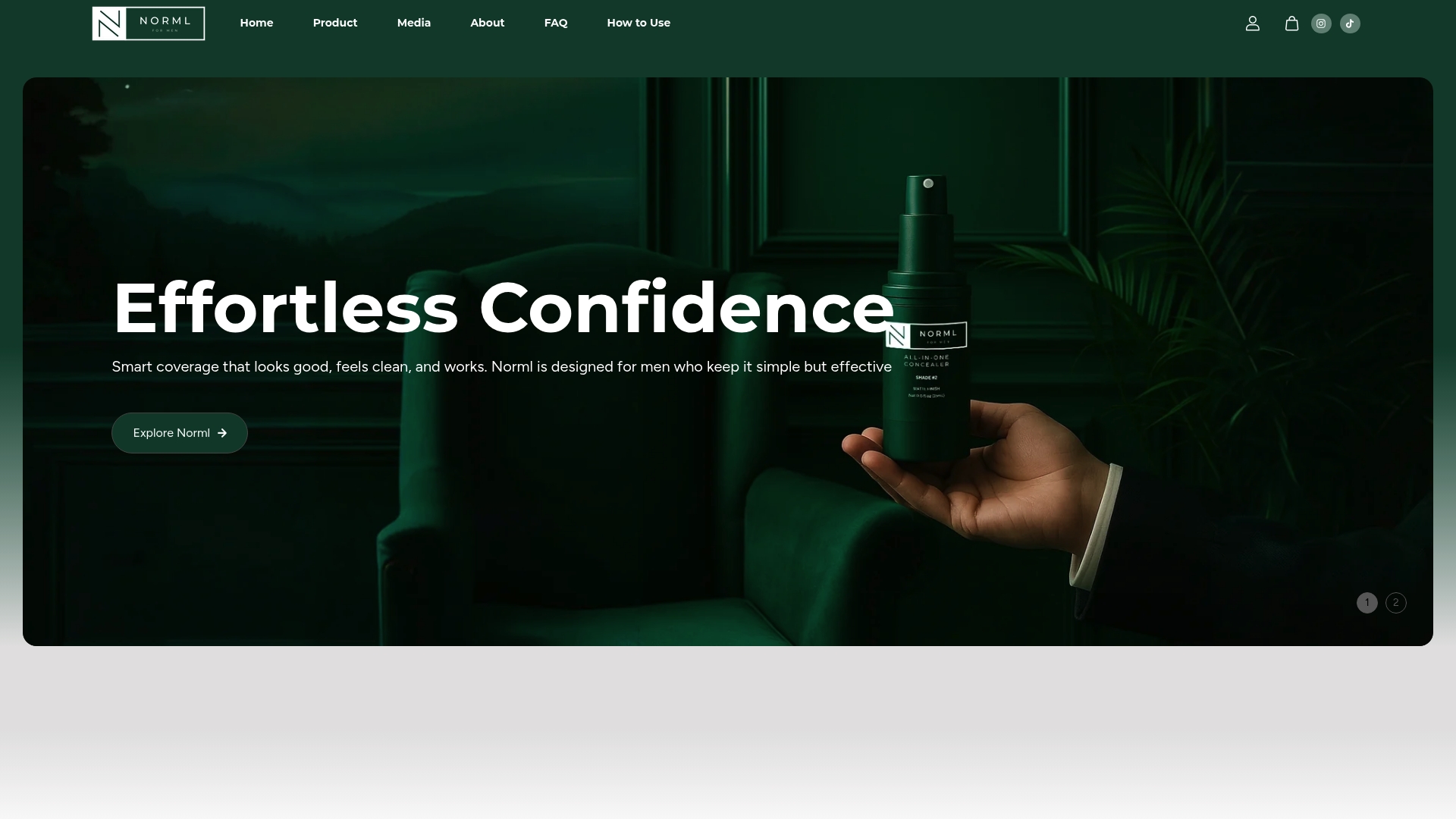
The Norml All-In-One Concealer covers dark circles, redness, and blemishes with a lightweight, matte formula that blends into skin in seconds. It is built for men who want to look sharper and more composed without anyone knowing they are wearing anything. One product, targeted application, and a finish that holds through a full interview day. No brush required, no complicated routine, no visible product on the skin. If you have an interview coming up, this is the one tool worth adding to your routine.
FAQ
Should I wear concealer to a job interview?
Concealer is appropriate for any professional interview. Applied correctly, it covers blemishes, redness, and dark circles without being detectable, supporting a polished and composed appearance.
What is the best concealer formula for interviews?
A lightweight, matte, long-wear formula works best for interviews. It controls shine, holds through several hours, and does not require touch-ups during the conversation.
How do I stop concealer from creasing under my eyes?
Apply concealer in thin layers rather than one thick coat, and set lightly with translucent powder on the T-zone only. Avoid heavy powder directly under the eyes, which dries out the area and causes creasing.
Does concealer look obvious on men?
A shade-matched, matte concealer applied with a tapping motion is undetectable on men’s skin. The key is matching your exact skin tone and blending the edges so there is no visible line.
When should I apply concealer in my routine?
Apply concealer after foundation, not before. Foundation creates the base layer; concealer then targets specific areas without being wiped away during blending.


