

Why Men Hesitate with Makeup: Real Reasons Explained
TL;DR:
- Men hesitate to use makeup mainly due to social stigma and cultural norms that link cosmetic use to femininity.
- These barriers are reinforced by marketing language, media portrayals, and peer judgment, not the product itself.
Men’s hesitation with makeup is defined by social stigma, not personal preference. Most men aged 18–35 are curious about cosmetics but feel blocked by masculinity norms, unfamiliarity with products, and fear of judgment from peers. The good news is that cultural attitudes are shifting fast. Men’s grooming sales are projected to exceed $85 billion globally by 2032, driven largely by repeat usage of complexion products. That number signals one clear thing: men are already buying in, even if they won’t always call it makeup.
Why men hesitate with makeup: the social roots
Male makeup hesitation does not start with the product. It starts with the message men receive about what grooming is supposed to look like.
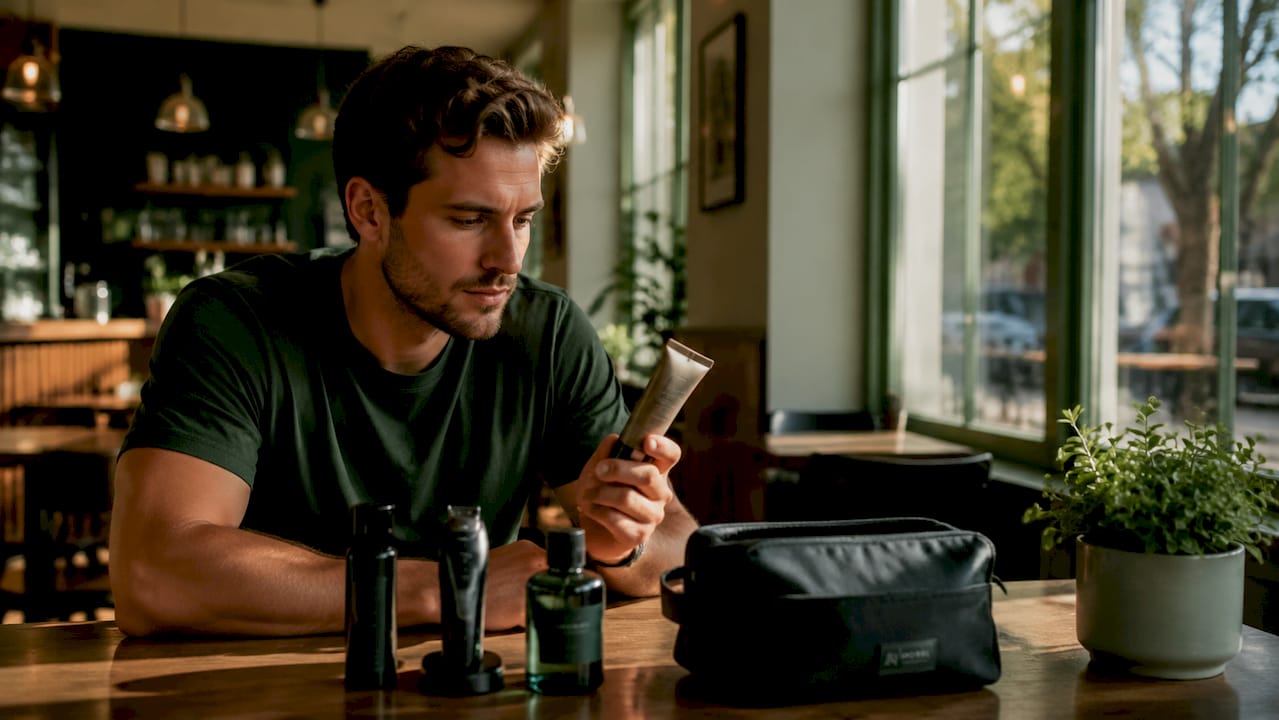
Masculinity norms have long drawn a hard line between acceptable self-care and vanity. Shaving, cologne, and haircuts sit on one side. Foundation, concealer, and tinted moisturizer sit on the other. That line is cultural, not logical. A man who uses a tinted SPF to even his skin tone is doing the same thing a woman does with BB cream. The action is identical. The social meaning attached to it is not.
The beauty industry has reinforced this divide through its own language. Products marketed to men often avoid the word “makeup” entirely, using terms like “skin tint,” “complexion balm,” or “grooming stick” instead. This is not accidental. As beauty industry experts note, the barrier is often linguistic, not practical. Men separate grooming rituals like shaving and fragrance from makeup to protect their sense of masculine identity.
Media compounds the problem. When makeup on men appears in mainstream culture, it is often framed as a statement or a costume, not a daily habit. That framing makes ordinary use feel like a political act, which raises the stakes for any man who just wants to cover a blemish before a job interview.
“The discomfort men feel around makeup is largely cultural and tied to masculinity expectations. Changing this requires a shift in language and norms.” — Beauty industry practitioner insight
Key cultural barriers include:
- The word “makeup” itself triggers masculinity concerns for many men
- Media portrayals frame male cosmetics as extreme or performative
- Peer judgment remains a stronger deterrent than personal discomfort
- Marketing language has historically excluded men from beauty conversations
What personal insecurities hold men back from cosmetics?
Fear of looking fake is the most common internal barrier men report. This fear is not about vanity. It is about visibility. Men worry that wearing makeup will be noticeable, and that being noticed will invite ridicule or questions about their identity.
The psychological separation between grooming and makeup runs deep. A man who moisturizes daily, uses eye cream, and applies SPF does not think of himself as someone who wears makeup. Yet the functional gap between those products and a light concealer is almost zero. This linguistic barrier is a constructed one, built over decades of gendered marketing and social conditioning.
Uncertainty about application is the second major barrier. Retail analysts confirm that the biggest obstacle for men is not cost or availability. It is not knowing how to use a product without looking unnatural. Most men have never been taught basic application techniques, and the tutorials available online are often aimed at women or at dramatic looks that feel irrelevant to everyday use.
Research backs up the confidence payoff when men do try it. A 2026 study on self-application of men’s makeup found that applying makeup reduced anxiety and increased feelings of neatness and pleasantness among participants. The hesitation fades once men actually try the product. The problem is getting past the first attempt.
- Fear of visibility. Men worry that makeup will be obvious and invite social judgment.
- Identity conflict. Using makeup feels at odds with a masculine self-image for many men.
- Skill gap. No one teaches men application basics, so the learning curve feels steep.
- Linguistic discomfort. The word “makeup” carries baggage that words like “grooming” do not.
Pro Tip: Frame your first product as a grooming upgrade, not a makeup purchase. A matte concealer used to cover one blemish is no different in practice from using a spot treatment. The mental shift makes the first step much easier.
How social media and industry shifts are changing male makeup acceptance
Gen Z is rewriting the rules on makeup acceptance for men. Platforms like TikTok and Instagram have normalized male grooming routines that include cosmetics, and the audience for that content is enormous. Brands like Sephora and Ulta have responded by expanding their men’s sections and investing in gender-neutral marketing.
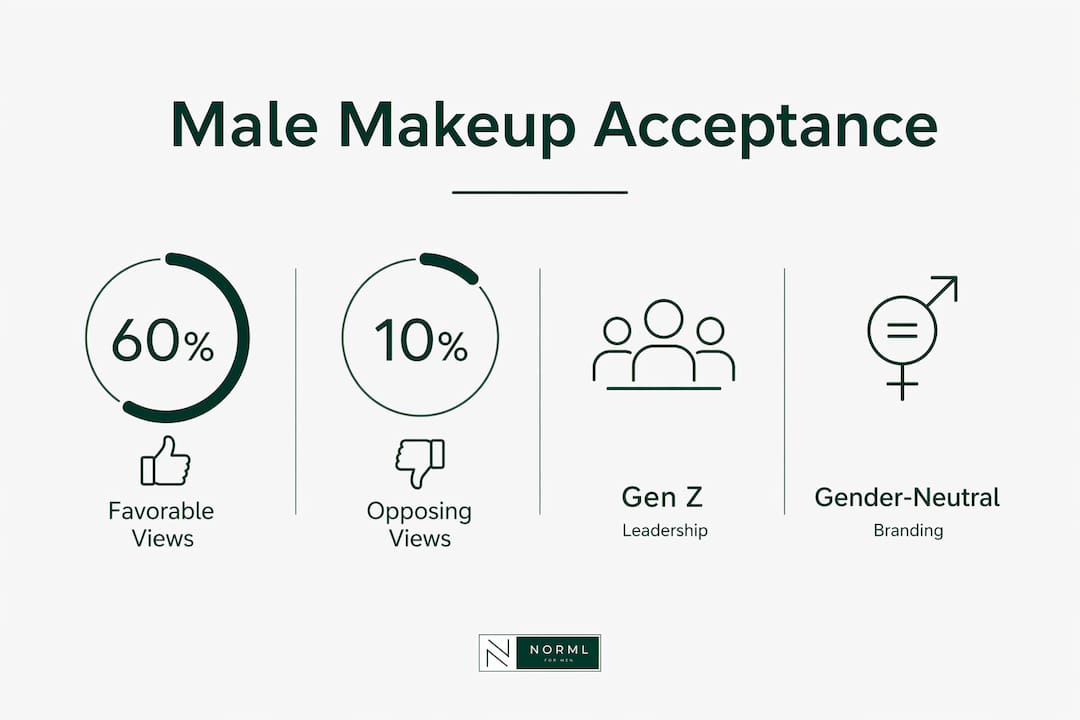
Gen Z men prefer gender-neutral branding and view “men’s makeup” labels as outdated and patronizing. This is a significant shift. It means the next generation of male consumers does not want a separate, stigmatized category. They want the same products, framed differently.
The COVID-19 pandemic accelerated this trend. Increased screen time and video calls made men more aware of their appearance, driving interest in grooming and cosmetics. Loft Tokyo reported a measurable rise in male customers purchasing complexion products during and after the pandemic period. That behavioral shift has not reversed.
| Trend | What it signals |
|---|---|
| Gender-neutral branding growth | Men want products without stigmatizing labels |
| TikTok grooming tutorials for men | Social proof reduces the fear of trying makeup |
| Sephora and Ulta expanding men’s sections | Retail investment confirms real demand |
| Repeat complexion product purchases rising | Men who try it tend to keep using it |
The men’s grooming market is not growing because of one-time curiosity. It is growing because men who try complexion products come back for more. Repeat usage is the strongest signal that the stigma is losing its grip.
How can men overcome hesitation and start using makeup confidently?
The most effective entry point is the simplest one. Most men need only minimal makeup to see a real difference. Spot concealing redness, covering a blemish, or reducing shine under studio lights requires one product and thirty seconds. Starting there removes the complexity that makes makeup feel intimidating.
Framing matters more than most men realize. Framing makeup as grooming reduces stigma and makes spending feel justified. If you already use moisturizer and SPF, adding a concealer is a logical next step in a routine you already have. It is maintenance, not transformation.
Social proof is a powerful tool for reducing male makeup hesitation. Watching a peer or an influencer you respect use a product normalizes the behavior. Men who see other men using concealer without it being a big deal are far more likely to try it themselves. Accounts on TikTok and YouTube that focus on men’s makeup confidence have built large followings precisely because they make the process feel ordinary.
- Start with one product. A matte concealer or tinted SPF is the lowest-commitment entry point.
- Watch tutorials made for men. Application technique matters, and beginner-focused content exists.
- Use gender-neutral brands. Products without gendered labels reduce the psychological friction.
- Apply in private first. Building comfort at home before going out removes the performance pressure.
- Track your own reaction. Most men report feeling more confident, not more self-conscious, after trying it.
Pro Tip: A survey of 5,000 people aged 15–79 found that about 60% hold favorable views of men wearing makeup, with fewer than 10% holding negative opinions. The social risk you imagine is almost always larger than the real one.
Key takeaways
Men’s hesitation with makeup is rooted in cultural stigma and linguistic barriers, not in a lack of interest or product quality.
| Point | Details |
|---|---|
| Stigma is linguistic, not logical | The word “makeup” triggers resistance that words like “grooming” do not. |
| Fear of visibility is the top barrier | Men worry about being noticed, not about the product itself. |
| Self-application builds confidence | Research shows men feel less anxious and more put-together after trying makeup. |
| Gen Z is normalizing male cosmetics | Gender-neutral branding and TikTok tutorials are reducing stigma at scale. |
| Minimal use delivers real results | One product used for spot concealing is enough to see a meaningful difference. |
The stigma is the product, not the makeup
I have spent years watching men talk themselves out of something that would genuinely help them. The conversation always follows the same pattern. A man notices a product, feels curious, then immediately builds a case against trying it. The case is never about the product. It is always about what other people will think.
What strikes me most is how thin that barrier actually is. Public opinion on men wearing makeup is far more positive than most men assume. The judgment they fear exists mostly in their own heads, reinforced by a culture that has historically punished men for visible self-care. That culture is changing, and faster than most people realize.
The men who have moved past this hesitation share one thing in common. They stopped waiting for permission. They tried one product, noticed it worked, and kept going. None of them became someone different. They just looked sharper and felt more in control of how they presented themselves. That is not vanity. That is confidence, and it is available to any man willing to take one small step.
The gendered distinction between grooming and makeup will fade. It is already fading. The question is whether you want to wait for the culture to fully catch up, or whether you want to get ahead of it now.
— Ford
Norml4men: a simple first step for men ready to try it
If you have been curious but not sure where to start, Norml4men removes the guesswork entirely.
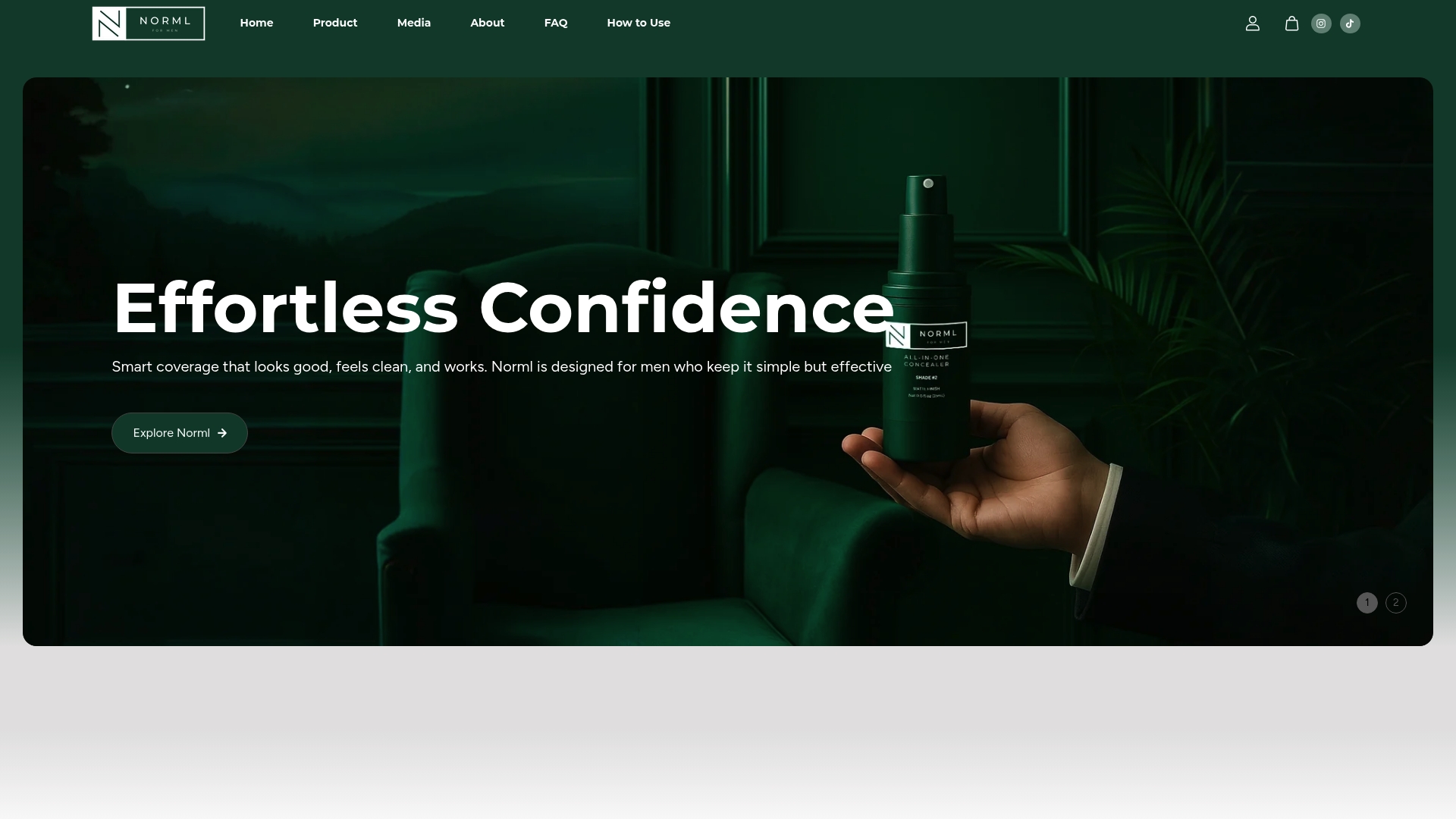
The Norml All-In-One Concealer is built specifically for men who want to cover blemishes, redness, and dark circles without anyone knowing they are wearing anything. It is lightweight, matte, and blends directly into skin in seconds. No brushes, no technique, no learning curve. You apply it like a spot treatment and walk out looking sharper. For men exploring the real reasons behind makeup avoidance, Norml4men is the most direct way to test whether the hesitation was ever worth it.
FAQ
Why do men feel uncomfortable wearing makeup?
Men’s discomfort with makeup is primarily cultural. Masculinity norms frame visible cosmetic use as incompatible with male identity, and that framing is reinforced by decades of gendered marketing and media portrayals.
Does wearing makeup make men look less masculine?
Research shows the opposite effect. A 2026 study found that men who applied makeup reported reduced anxiety and increased feelings of confidence and neatness, not a loss of masculine identity.
What is the easiest makeup product for men to start with?
A matte concealer is the lowest-commitment starting point. It covers blemishes and redness in seconds, requires no technique, and is undetectable when matched to skin tone.
Are most people okay with men wearing makeup?
A 2024 survey of 5,000 people found that about 60% hold favorable views of men wearing makeup, with fewer than 10% holding negative opinions. Public acceptance is significantly higher than most men expect.
How is social media changing male makeup hesitation?
Platforms like TikTok and Instagram have normalized men’s grooming routines that include cosmetics. Gen Z men in particular respond to gender-neutral branding and peer-led tutorials, which reduce the stigma around male cosmetic use.


