

Men's Image in 2026: What's Really Changing
TL;DR:
- Men’s image in 2026 is influenced by looksmaxxing culture, social media pressure, and evolving masculinity norms.
- The grooming market reflects this shift, with men focusing more on self-care and genuine identity rather than perfection.
The role of men’s image in 2026 is defined by a collision between old masculinity norms, social media pressure, and a growing awareness of mental health. Appearance has always mattered for men, but the stakes feel different now. Looksmaxxing, a term for optimizing your physical appearance to maximize social value, has moved from obscure internet forums into mainstream culture. The men’s grooming market reflects this shift, with prestige fragrance alone making up 32% of the market. Understanding what is driving these changes, and what they mean for your identity, is the starting point for navigating them well.
What is the role of men’s image in 2026?
Men’s image in 2026 functions as a social signal, a mental health variable, and a commercial target all at once. The way you present yourself shapes how others read your confidence, competence, and character before you say a word. That has always been true, but the speed and scale of social media have amplified every signal.
The men’s personal care market reflects this amplification directly. Skin exfoliants and fragrances grew 5–15% in 2025, driven by men who are more educated and selective about what they buy. That growth is not just vanity. It signals a broader shift in how men think about self-presentation as part of identity, not separate from it.
The impact of men’s image in 2026 also runs deeper than product sales. Men’s identity trends in 2026 show a generation actively questioning what masculinity should look like, who gets to define it, and whether appearance is a measure of worth or simply one tool among many. The answers to those questions have real consequences for mental health, relationships, and social behavior.
How looksmaxxing shapes modern men’s self-image
Looksmaxxing is defined as the systematic effort to maximize physical attractiveness through behavioral, cosmetic, and sometimes surgical interventions. It started in niche online forums and has since moved to mainstream social media, influencing millions of young men. The term covers a wide spectrum, from softmaxxing (skincare, grooming, posture) to hardmaxxing (jaw surgery, bone-smashing claims, extreme dieting).
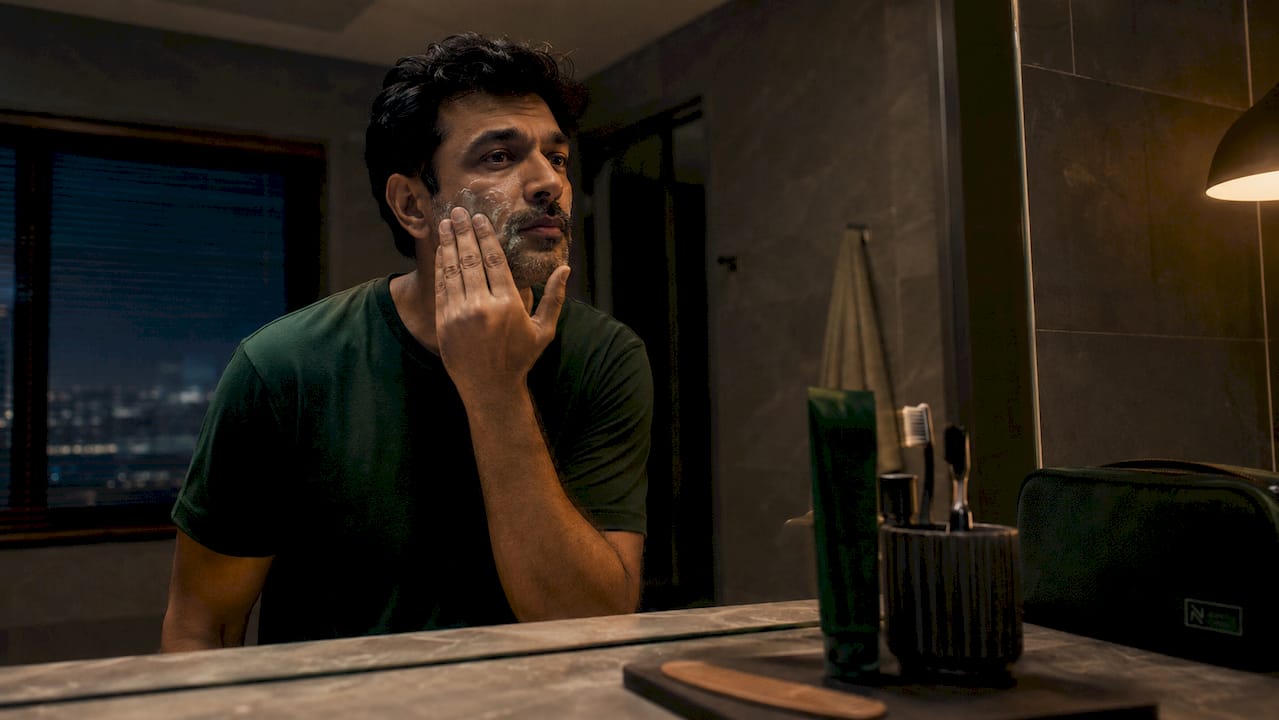
The psychological effects of looksmaxxing are well documented and concerning. Research involving surveys of more than 3,000 teens found that engagement with appearance-related content worsens depression, social anxiety, and body dysmorphic disorder, affecting boys as young as 13. That is not a side effect. It is a predictable outcome of content designed to make you feel inadequate.
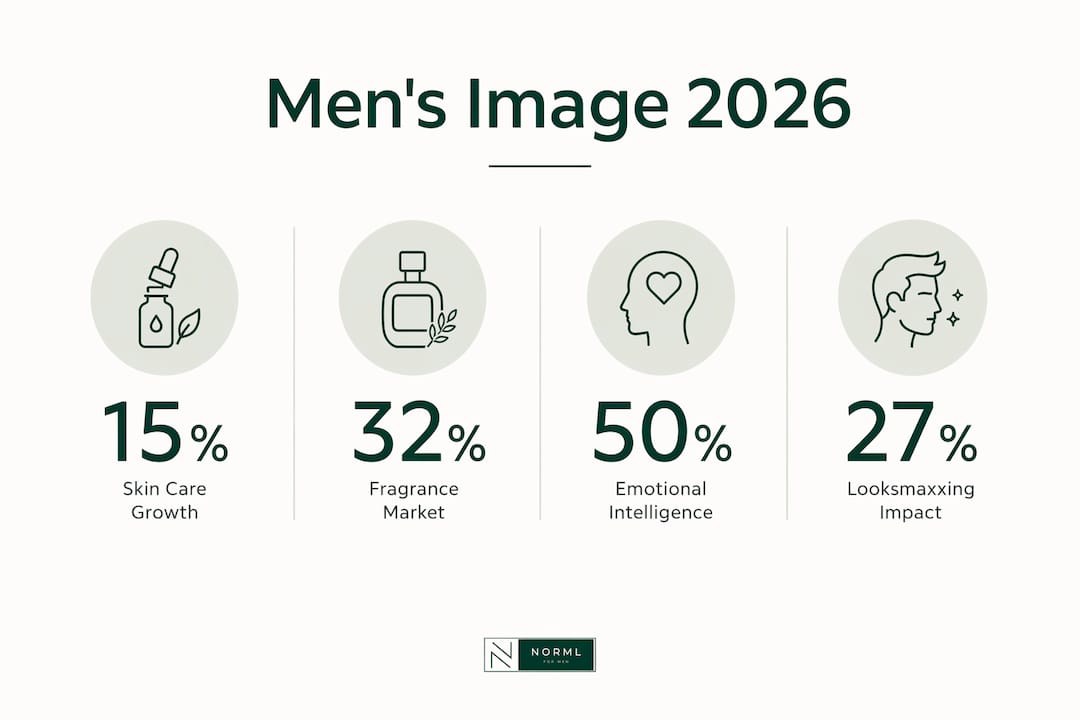
The mechanism is algorithmic. Platforms surface content that triggers emotional responses, and insecurity is one of the strongest triggers available. Addictive algorithms promote appearance obsession and peer competition, creating a feedback loop where the more you engage, the worse you feel, and the more you seek reassurance through more content. The result is an identity built entirely on appearance, which is a foundation that collapses under any real pressure.
The core problem with looksmaxxing culture is not that men care about their looks. Caring about your appearance is normal and healthy. The problem is when appearance becomes your primary measure of worth. That shift, from grooming as self-care to grooming as self-worth, is where the damage starts.
- Softmaxxing includes skincare routines, haircuts, posture work, and fitness. These are generally healthy habits.
- Hardmaxxing includes extreme dieting, unproven supplements, and surgical interventions pursued for social status rather than health.
- Warning signs include compulsive mirror checking, social withdrawal, and spending that disrupts your finances or daily life.
Pro Tip: If your grooming routine feels like relief from anxiety rather than a confidence boost, that is worth examining. Healthy self-care should make you feel good, not temporarily less bad.
How is masculinity evolving beyond appearance?
Masculinity is evolving from a model built on emotional restraint and dominance toward one grounded in empathy, shared responsibility, and emotional intelligence. This shift is not just cultural commentary. A qualitative analysis of 983 school participants shows real tension between old norms and new aspirations, with many boys actively wanting to challenge harmful ideas about manhood.
The traditional model told men that strength meant silence, that vulnerability was weakness, and that dominance was the goal. That model is losing ground, particularly among men aged 18–35. The changing perceptions of masculinity in this generation show a preference for men who can communicate, take responsibility in relationships, and support others without losing their sense of self.
“Boys want to challenge harmful ideas about manhood. Working with them, not lecturing them, is the key. When young men are given space to reflect and engage, they consistently express values aligned with respect, fairness, and emotional honesty.” — The Conversation, research on boys and masculinity education
Men who develop relationship skills through gender-aware education show improved social and mental outcomes. That evidence matters because it shows how masculinity is evolving in a direction that benefits men directly, not just the people around them. Progressive masculinity is not a sacrifice. It is a better deal.
Men’s social roles in 2026 reflect this evolution. The expectation that men show up emotionally, share domestic responsibility, and engage with their own mental health is now a baseline in many social and professional environments. Men who resist that shift are not protecting masculinity. They are limiting themselves.
Men’s grooming and beauty industry trends in 2026
The men’s grooming market in 2026 is large, segmented, and growing fast. Men are now more educated and selective about grooming products, and brands are responding with targeted messaging across diverse male audiences. The future of male grooming is not one-size-fits-all. It splits clearly between men motivated by genuine self-care and men chasing a hypermasculine ideal sold to them by influencers.
The table below shows the main grooming categories, their growth trajectory, and the consumer motivation behind each.
| Grooming category | Growth trend | Primary consumer motivation |
|---|---|---|
| Skincare and exfoliants | Strong upward growth | Skin health and even complexion |
| Prestige fragrance | 32% market share | Social confidence and identity |
| Concealer and color cosmetics | Emerging category | Discreet appearance correction |
| Haircare and styling | Steady growth | Presentation and self-expression |
| Supplements and ingestibles | Rapid growth | Performance and body optimization |
The segmentation within men’s beauty allows brands to target authentic self-care consumers separately from those drawn to hypermasculine narratives. That distinction shapes product development, marketing tone, and channel strategy. Norml4men sits firmly in the authentic self-care segment, built for men who want results without the performance of wearing makeup.
Social media drives discovery in this market. Platforms like TikTok and YouTube shape men’s approaches to skincare and self-presentation at a speed no traditional advertising channel can match. The men who benefit most are those who use those platforms intentionally rather than passively scrolling into insecurity.
Practical ways to navigate image and identity pressure
Men in 2026 face real pressure from social media, peer culture, and commercial messaging to look a certain way. The answer is not to ignore appearance. The answer is to build a self-image that does not depend on it.
- Audit your social media feed. Unfollow accounts that make you feel worse about yourself after every scroll. Replace them with content focused on skills, health, or genuine humor. Your feed is an environment you can control.
- Prioritize sleep, nutrition, and movement. These three factors do more for your appearance and mental health than any product. They also build the kind of confidence that does not require external validation.
- Build emotional skills deliberately. Read, talk to people you trust, and practice naming what you feel. Emotional intelligence is a skill, not a personality trait, and it compounds over time.
- Use grooming as self-care, not self-correction. A skincare routine or a daily grooming habit should make you feel put-together, not fix a flaw you have been told to hate.
- Recognize the warning signs of body dysmorphic disorder. Compulsive grooming, mirror checking, and social withdrawal are clinical indicators that appearance concern has crossed into disorder territory. If those patterns sound familiar, speaking to a therapist is the right move.
Pro Tip: Self-compassion is not the same as complacency. Accepting where you are right now does not mean you stop improving. It means you improve from a stable foundation instead of a place of shame.
Persistent appearance obsession is a clinical indicator of body dysmorphic disorder, not a sign of high standards. Experts identify compulsive grooming and social withdrawal as warning signs that require professional attention, not more product purchases.
Key takeaways
Men’s image in 2026 is shaped by looksmaxxing culture, a growing grooming market, and a generational shift toward emotional intelligence as the new standard of masculinity.
| Point | Details |
|---|---|
| Looksmaxxing has real mental health costs | Appearance-focused social media worsens depression and body dysmorphia in boys as young as 13. |
| Grooming market growth reflects identity shifts | Prestige fragrance holds 32% market share, showing men invest seriously in self-presentation. |
| Progressive masculinity improves outcomes | Men who build emotional and relationship skills show measurably better social and mental health results. |
| Healthy grooming differs from obsession | Compulsive mirror checking and social withdrawal signal body dysmorphic disorder, not high standards. |
| Social media curation is a practical tool | Intentionally managing your feed reduces exposure to toxic appearance content and its psychological effects. |
What I have learned watching masculinity shift in real time
I have spent years paying attention to how men talk about themselves, their appearance, and what they think it means to be a man. The conversation has changed more in the last three years than in the previous decade. That is not an exaggeration.
What strikes me most is the gap between what young men say they want and what the content they consume tells them to want. Most men I talk to, or whose writing I read, express values that align with respect, honesty, and emotional availability. But the algorithmic content they absorb daily pushes the opposite: dominance, physical perfection, and emotional detachment. That gap creates real psychological strain.
The men who seem to navigate this best are not the ones who ignore appearance. They are the ones who treat grooming as one small part of a larger identity. They get a haircut, use a concealer when they need it, work out because it feels good, and then go live their actual lives. Appearance is a tool for them, not a report card.
The looksmaxxing trend worries me not because men care about their looks, but because it sells appearance as the solution to every problem. Confidence, social success, romantic relationships: the pitch is that all of it follows from a better jawline or clearer skin. That is a lie, and it is a profitable one. The men who buy it literally and figuratively pay the highest price.
My honest view is that the future of male identity is better than the current noise suggests. The research on progressive masculinity is genuinely encouraging. Boys want to be better. They just need frameworks that work with them instead of lecturing them into defensiveness.
— Ford
Norml4men: grooming that fits your actual life
Men who take their appearance seriously without making it their whole identity need products that work quietly and effectively. Norml4men was built for exactly that.
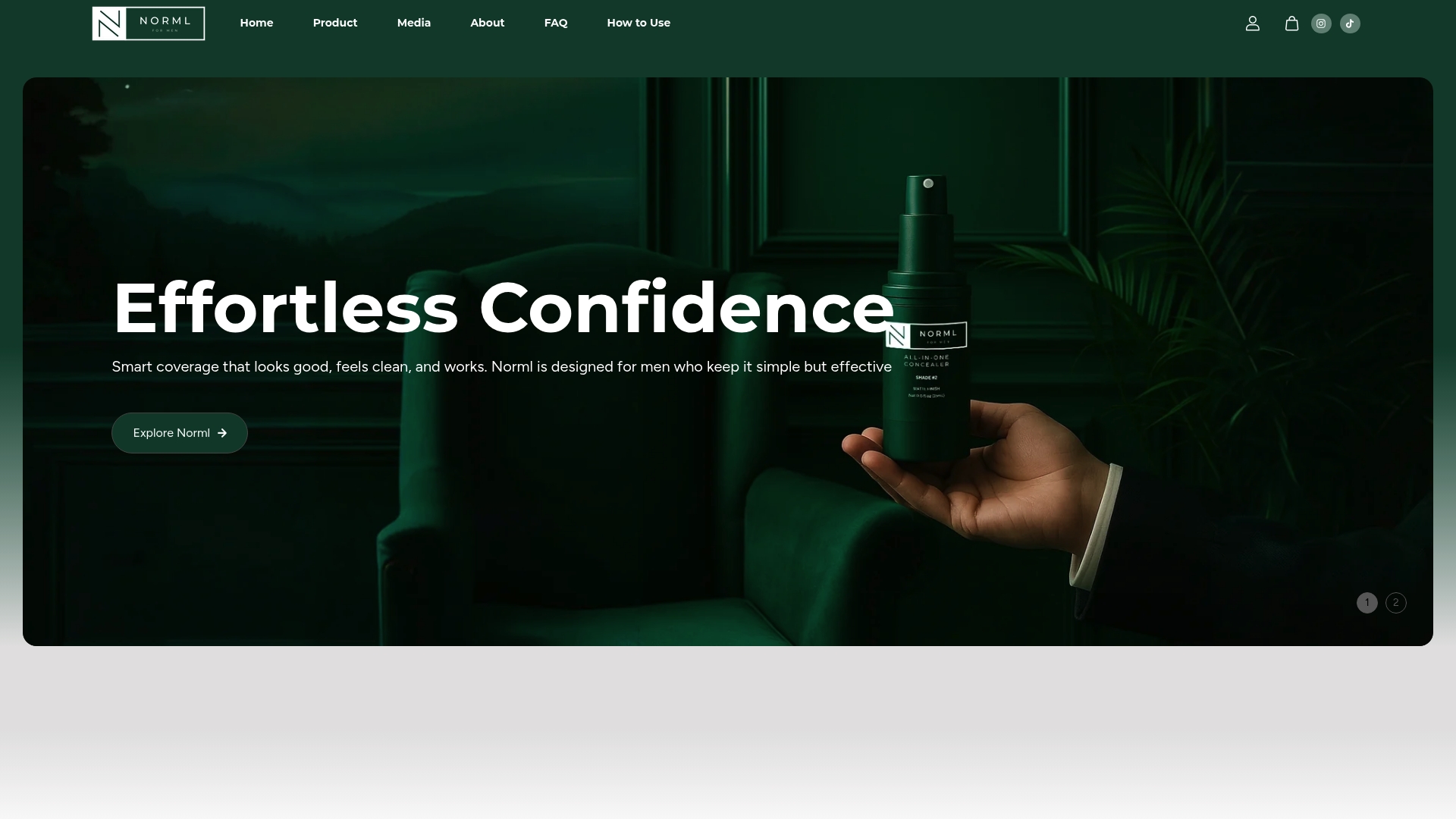
The Norml All-In-One Concealer covers blemishes, redness, and dark circles in seconds. It is lightweight, matte, and formulated to blend into your skin so no one knows you are wearing anything. It fits into a morning routine that takes minutes, not an hour in front of a mirror. For men who want to look sharp without the obsession, Norml4men is the practical choice. Check out the full range of men’s grooming trends to see how subtle upgrades can make a real difference.
FAQ
What is looksmaxxing and why does it matter in 2026?
Looksmaxxing is the practice of systematically optimizing physical appearance to increase social value. It matters because it has moved from niche forums to mainstream social media, influencing millions of young men and worsening mental health outcomes including depression and body dysmorphic disorder.
How is masculinity evolving for men aged 18–35?
Masculinity is shifting from emotional restraint and dominance toward emotional intelligence, empathy, and shared responsibility. Research involving nearly 1,000 school participants shows young men actively want to challenge harmful norms when given the space to do so.
Is the men’s grooming market growing in 2026?
Yes. Men’s personal care product sales grew significantly in 2025, with prestige fragrance holding 32% of the market and categories like skin exfoliants growing 5–15%. Men are increasingly educated and selective about what they buy.
How do I know if my grooming habits are healthy?
Healthy grooming builds confidence and fits naturally into your routine. Warning signs of body dysmorphic disorder include compulsive mirror checking, social withdrawal, and spending that disrupts daily life. If grooming feels like anxiety management rather than self-care, professional support is worth seeking.
Can social media be used positively for men’s image and identity?
Yes. Men who curate their feeds intentionally, following content focused on skills, health, and genuine self-improvement, avoid the toxic appearance loops that worsen mental health. The platform is neutral. How you use it determines the outcome.


