

Ways to Treat Uneven Skin Tone: Men's 2026 Guide
TL;DR:
- Uneven skin tone, caused by irregular melanin distribution, requires consistent topical treatments, sun protection, and healthy habits. Visible results typically take 8 to 12 weeks, depending on the treatment, with patience and gradual ingredient layering being key. Sun protection and lifestyle habits support topical efforts and prevent worsening pigmentation, while professional treatments are necessary only if OTC products fail after three months.
Uneven skin tone is defined as irregular distribution of melanin that creates patches of darker or lighter skin, redness, or blotchiness across the face and body. The clinical term is hyperpigmentation, and it affects men of every skin type. The most effective ways to treat uneven skin tone combine consistent topical ingredients, daily sun protection, and lifestyle habits that support skin repair. Visible results take 8–12 weeks of daily use before you can fairly judge whether a product is working. That timeline is not a flaw in the treatment. It reflects how long the skin cell renewal cycle actually takes.
What are the most effective topical treatments for uneven skin tone?
Active ingredients are the engine of any skin discoloration treatment plan. Each one works differently, targets different depths of pigmentation, and operates on its own timeline.
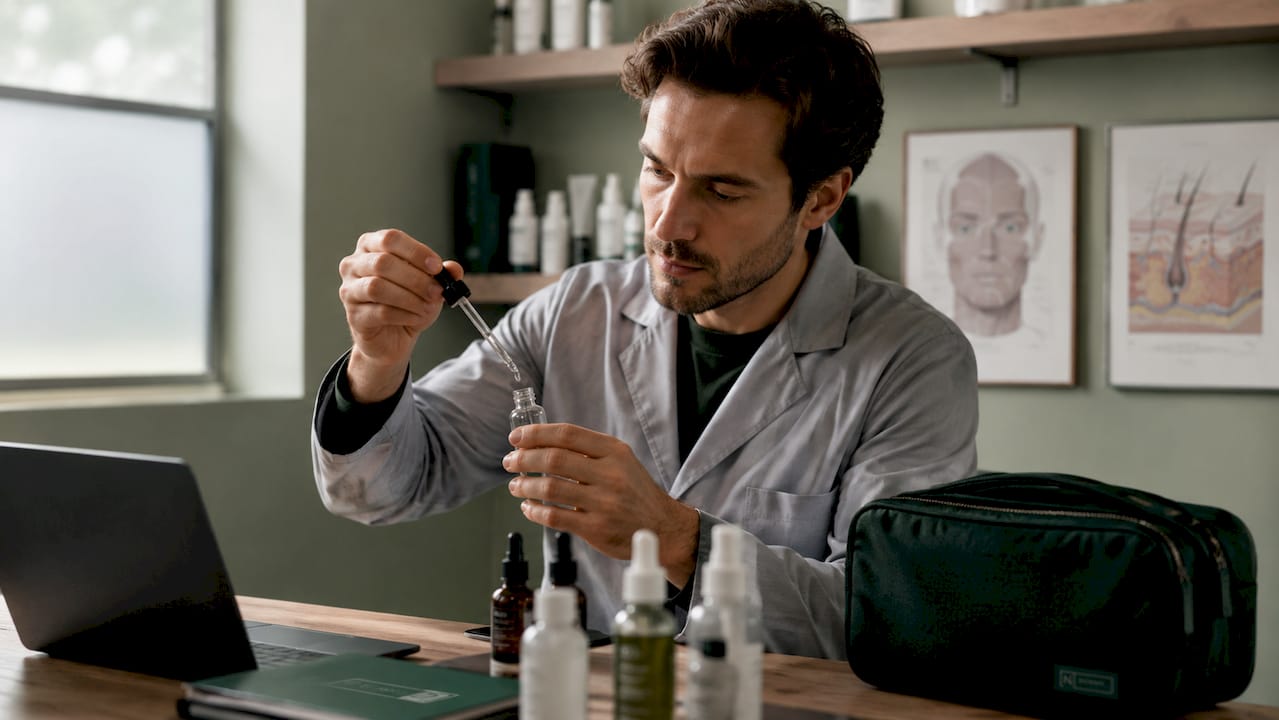
Niacinamide is the most forgiving starting point for men new to treating hyperpigmentation. 5% niacinamide reduces hyperpigmentation with a low irritation risk, making it a practical daily option. Results appear in 4–8 weeks. It also strengthens the skin barrier, which matters if you plan to add stronger actives later.
Vitamin C, tranexamic acid, and azelaic acid all target melanin production at different points in the pigmentation pathway. These ingredients require 8–12 weeks for visible results. Vitamin C works best in the morning because it also provides antioxidant protection against UV damage. Azelaic acid is particularly useful for men with acne-related dark spots because it treats both issues at once.
Retinoids are the most powerful option for long-term skin tone correction, but they demand patience. Retinoids take 12–24 weeks to show results. They speed up cell turnover, pushing pigmented cells to the surface faster. Start with a low concentration two nights per week and increase gradually.
Alpha hydroxy acids (AHAs) like glycolic acid and lactic acid work at the surface level by dissolving the bonds between dead skin cells. They show results in 4–8 weeks and work well as a complement to deeper-acting ingredients. Use them two to three times per week, not daily, to avoid stripping the skin barrier.
Key ingredients and their timelines at a glance:
- Niacinamide (5%): 4–8 weeks, low irritation, daily use
- Vitamin C: 8–12 weeks, use in the morning, antioxidant benefit
- AHAs (glycolic, lactic acid): 4–8 weeks, 2–3 times per week
- Azelaic acid: 8–12 weeks, suits acne-prone skin
- Tranexamic acid: 8–12 weeks, good for stubborn melasma-type patches
- Retinoids: 12–24 weeks, start slow, use at night
Combining multiple strong actives too aggressively damages the skin barrier and triggers inflammation, which worsens pigmentation. That is the opposite of the goal. Introduce one new active at a time, wait two weeks, and only add the next if your skin tolerates it well.
Pro Tip: Never layer vitamin C and a retinoid in the same application. Use vitamin C in the morning and your retinoid at night to get the benefit of both without the irritation.
How does sun protection contribute to treating uneven skin tone?
Sun protection is not optional when treating uneven pigmentation. It is the single step that determines whether your topical treatments actually work.
UV radiation triggers melanin overproduction. Every time unprotected skin hits sunlight, your body produces more pigment as a defense response. Daily, year-round SPF 30+ sunscreen is the foundation of any brightening plan, not an add-on. Skipping sunscreen while using vitamin C or niacinamide is like filling a bucket with a hole in the bottom.
Most men underestimate visible light. UV is not the only trigger. Visible light, particularly high-energy visible (HEV) light from screens and indoor lighting, also worsens deeper pigmentation. Tinted sunscreens with iron oxide block visible light more effectively than standard clear sunscreens. For men dealing with melasma or stubborn dark patches, this distinction matters.
Practical sunscreen habits for men:
- Apply broad-spectrum SPF 30+ every morning as the last step in your routine
- Reapply every two hours when outdoors, regardless of cloud cover
- Choose a lightweight, matte-finish formula if you dislike the feel of sunscreen
- Use a tinted formula with iron oxide if your pigmentation is deep or persistent
- Do not skip application in winter or on overcast days. UV penetrates clouds.
Pro Tip: Keep a travel-size SPF in your bag or car. The biggest barrier to consistent sunscreen use is not having it available when you need it.
What lifestyle habits help improve skin tone over time?
Topical products do the heavy lifting, but daily habits either support or undermine their work. A simple everyday skincare routine built around gentle cleansing and consistent moisturizing creates the stable skin barrier that actives need to function properly.
Cleanse gently, twice a day. Harsh scrubs and aggressive cleansers strip the skin barrier and trigger inflammation. Inflammation is a direct driver of post-inflammatory hyperpigmentation (PIH), the dark marks left behind after acne or irritation. Use a gentle, non-foaming cleanser in the morning and evening.
Stop picking at your skin. This is the single most counterproductive habit for men trying to fix uneven skin. Picking causes trauma, trauma causes inflammation, and inflammation causes PIH. The dark spot left behind from a picked pimple can last months longer than the pimple itself.
Follow this daily order for best results:
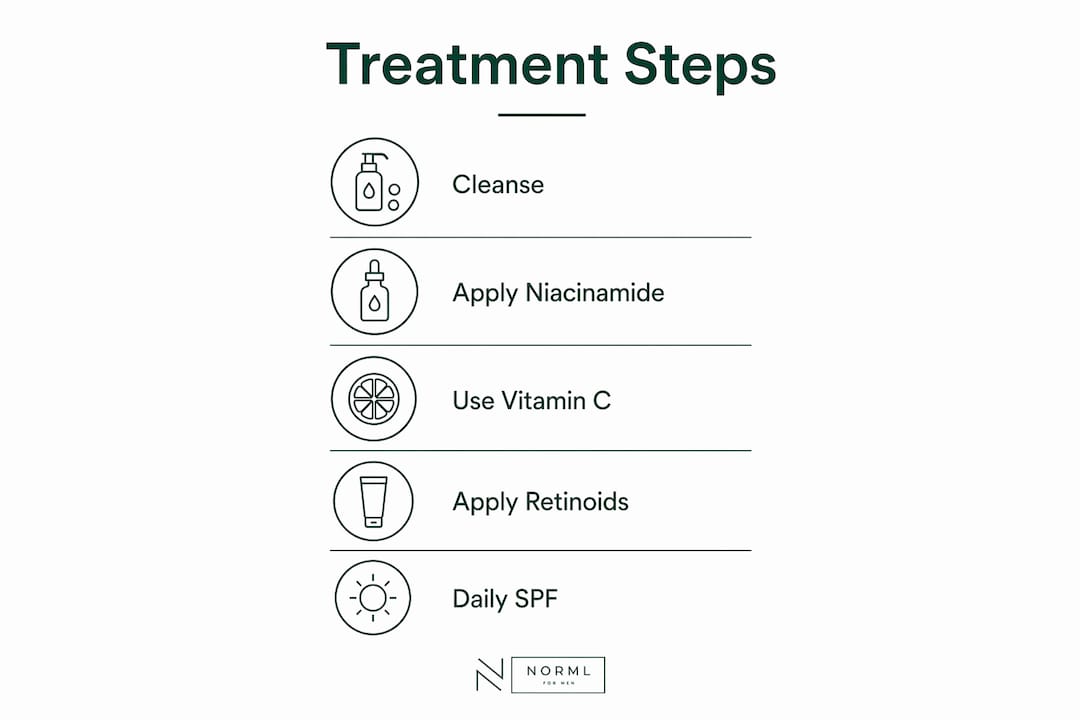
- Cleanse with a gentle, pH-balanced face wash
- Apply any water-based active serums (niacinamide, vitamin C, tranexamic acid)
- Moisturize to seal the barrier and reduce irritation from actives
- Apply SPF 30+ in the morning as the final step
- Use retinoids or AHAs at night, two to three times per week, not daily
Diet and hydration play a supporting role. Antioxidant-rich foods, including berries, leafy greens, and foods high in vitamin E, reduce systemic inflammation that can worsen skin tone. Drinking adequate water keeps skin cells hydrated and supports faster cell turnover. These are not quick fixes. They compound over weeks and months alongside your topical routine.
Consistency beats intensity every time. Men who use a moderate routine every single day get better results than those who use aggressive products sporadically. The skin responds to regularity, not occasional effort. A proven skin tone balancing routine built around these principles is the most reliable path to visible improvement.
When are professional treatments appropriate for uneven skin tone?
Professional treatments are for cases where over-the-counter products have genuinely failed, not for men who want faster results after two weeks of trying. If OTC products fail after 3 months of consistent use, or if pigmentation appears suddenly or changes rapidly, professional consultation is the right next step.
A qualified dermatologist can rule out systemic causes, identify the exact type of pigmentation you have, and recommend treatments calibrated to your skin type. That precision matters because the wrong procedure on the wrong skin type can make pigmentation significantly worse.
Professional options worth knowing:
- Chemical peels: Use acids at higher concentrations than OTC products to resurface the skin. Superficial peels work on surface-level discoloration. Medium-depth peels target deeper pigmentation but require more downtime.
- Laser therapy: Targets melanin directly with concentrated light energy. Highly effective for certain pigmentation types but carries a real risk of post-treatment hyperpigmentation in darker skin tones if not performed correctly.
- Microneedling: Creates controlled micro-injuries that stimulate collagen and can improve overall skin texture and tone. Often combined with topical brightening agents for better penetration.
Aggressive procedural treatments without proper skin priming can worsen hyperpigmentation in susceptible skin types. Dermatologists typically recommend a priming phase of 4–6 weeks using lightening agents before any procedure. This reduces the risk of a post-inflammatory flare. Skipping this step to save time is a common mistake that sets men back months.
The signs that indicate you need professional evaluation include: pigmentation that appeared suddenly without an obvious cause, patches that are growing or changing color, lack of any improvement after three months of consistent topical treatment, and any skin changes that concern you for reasons beyond cosmetics.
Understanding ethically sourced skincare ingredients also matters when choosing professional-grade products your dermatologist may recommend, since ingredient quality directly affects treatment outcomes.
Key Takeaways
Treating uneven skin tone requires consistent topical ingredients, daily SPF 30+ sunscreen, and disciplined lifestyle habits applied together over a minimum of 8–12 weeks before results become visible.
| Point | Details |
|---|---|
| Topical ingredients work on a timeline | Niacinamide and AHAs show results in 4–8 weeks; vitamin C and azelaic acid need 8–12 weeks; retinoids take 12–24 weeks. |
| SPF is a treatment step, not optional | Daily broad-spectrum SPF 30+ prevents UV from triggering new melanin and undoing brightening progress. |
| Tinted sunscreen adds visible light protection | Formulas with iron oxide block HEV light, which worsens deep pigmentation beyond what standard SPF covers. |
| Consistency beats aggressive routines | One new active at a time, introduced slowly, outperforms stacking multiple harsh ingredients that damage the skin barrier. |
| Seek professional help after 3 months | If OTC products show no improvement after consistent 3-month use, consult a dermatologist before attempting procedures. |
What I’ve learned about treating uneven skin tone that most guides skip
The biggest mistake I see men make is quitting a routine at week four because they don’t see results yet. The skin cell cycle takes roughly four weeks just to turn over once. Real pigmentation correction happens deeper, and it takes two to three full cycles before the surface reflects that work. Stopping at week four means you never gave the treatment a fair chance.
The second mistake is treating this like a product problem when it is actually a habits problem. You can spend money on the best vitamin C serum available, but if you are not wearing sunscreen daily, UV exposure is producing new pigment faster than the serum can fade the old stuff. The math never works in your favor without SPF.
Men also tend to overload their routine when results are slow. More products, stronger concentrations, more frequent application. That approach almost always backfires. Overusing incompatible actives breaks down the skin barrier and causes inflammation, which directly worsens the pigmentation you are trying to treat. Patience and a simple routine beat aggression every time.
The realistic picture is this: a well-built routine with niacinamide, a vitamin C serum, daily SPF, and a retinoid used three nights per week will produce genuinely noticeable improvement in 12–16 weeks for most men. That is not a long time when you consider the alternative is doing nothing and watching the problem get worse. Start simple. Stay consistent. Add complexity only when your skin is stable and tolerating what you already use.
— Ford
Norml4men: cover uneven skin tone while your treatment works
Long-term treatment takes weeks to show results. That gap between starting a routine and seeing real change is exactly where Norml4men fits in.
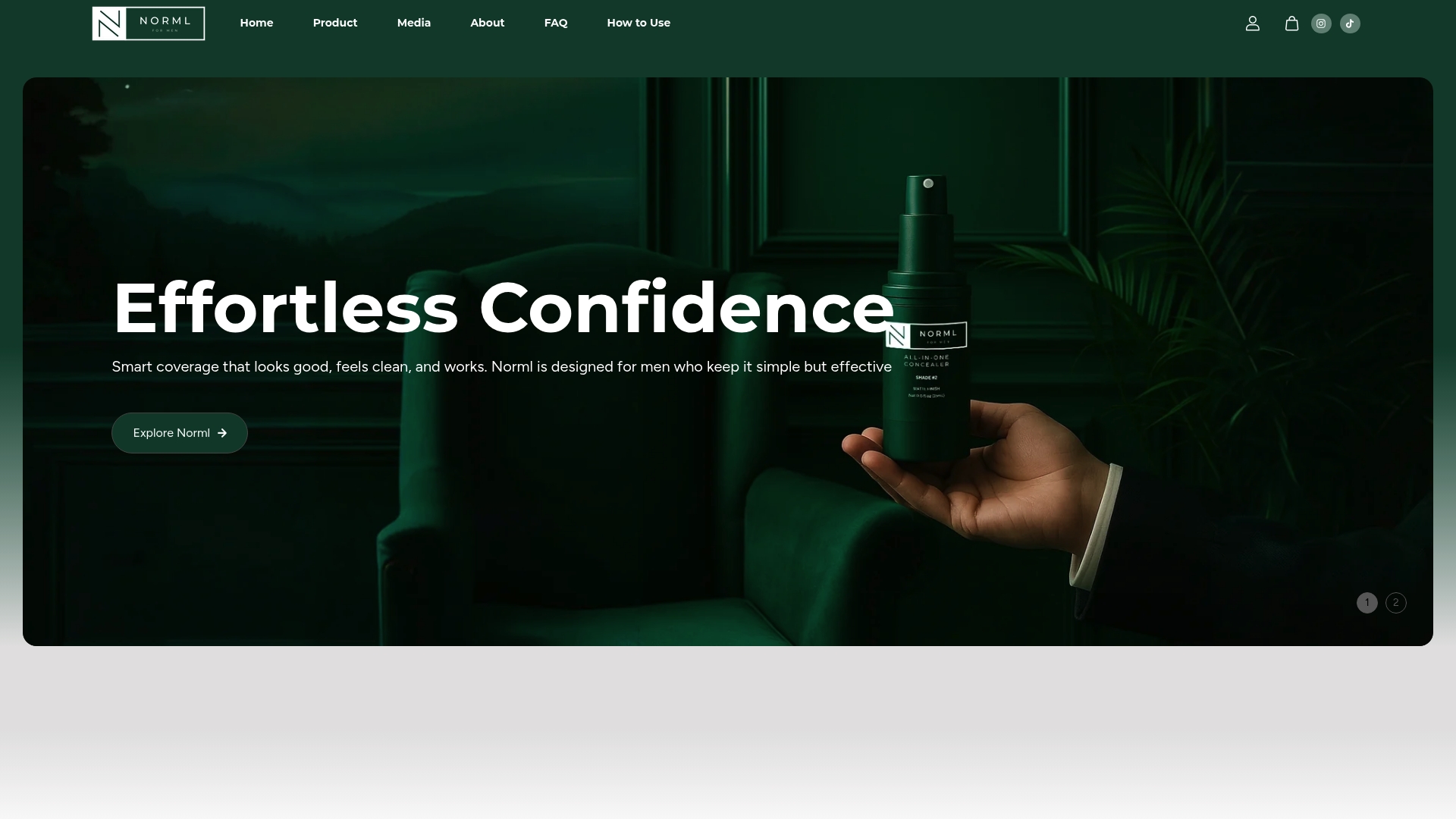
Norml4men is a men’s all-in-one concealer built to cover redness, dark spots, and uneven patches instantly, without looking like you are wearing anything. The formula is lightweight, matte, and designed to blend into men’s skin naturally. It works as a daily complement to your topical routine, giving you an even appearance while your actives do their long-term work underneath. Check out the Norml All-In-One Concealer and see how fast the difference shows up. For a broader look at building a complete approach, the proven steps to even skin tone guide covers the full picture.
FAQ
How long does it take to fix uneven skin tone?
Most topical treatments require 8–12 weeks of consistent use before visible results appear. Retinoids can take up to 24 weeks for full effect.
What is the best ingredient for uneven skin tone in men?
Niacinamide at 5% is the best starting point because it reduces hyperpigmentation with low irritation risk. Vitamin C and azelaic acid are strong follow-up options once your skin is stable.
Does sunscreen actually help with skin discoloration?
Yes. Daily SPF 30+ sunscreen prevents UV from triggering new melanin production, which directly protects the brightening progress made by topical treatments.
When should I see a dermatologist for uneven skin tone?
See a dermatologist if pigmentation appears suddenly, changes rapidly, or shows no improvement after three months of consistent OTC treatment. A professional can identify the pigmentation type and recommend targeted procedures.
Can lifestyle changes improve skin tone without products?
Lifestyle habits like gentle cleansing, avoiding skin picking, staying hydrated, and eating antioxidant-rich foods support skin health but work best as a complement to active topical ingredients, not as a standalone fix.


