

How makeup boosts male confidence: real insights
TL;DR:
- Men’s attitudes toward makeup are rapidly changing as more see it as a confidence-boosting tool rather than a vanity symbol. Subtle makeup enhances appearance and perception without obvious signs, helping men feel and look better in various settings. When used thoughtfully as part of a broader self-care routine, makeup can support genuine self-confidence without fostering insecurity or obsession.
Most men have been told, directly or indirectly, that makeup isn’t for them. That belief is crumbling fast. Men never wearing makeup fell from over 90% in 2019 to just 75% in 2024, and that number keeps dropping. What’s driving this shift isn’t a trend or a celebrity endorsement. It’s something simpler: men are discovering that looking better actually makes them feel better. This guide breaks down the real psychology, the data, and the practical steps behind using subtle makeup as a genuine tool for male confidence.
Table of Contents
- Why male makeup matters: shifting attitudes and stats
- How subtle makeup changes the way men see themselves
- Makeup for confidence: benefits and boundaries
- Getting started: simple steps for using makeup to boost confidence
- The uncomfortable truth about male confidence and makeup
- Upgrade your look: next steps for confident men
- Frequently asked questions
Key Takeaways
| Point | Details |
|---|---|
| Acceptance is rising | Male makeup use is growing quickly and stigma is fading among younger men. |
| Confidence, not perfection | Subtle makeup can boost how men feel and are perceived—real confidence starts within. |
| Healthy limits matter | Makeup works best as a supportive tool, not a crutch for low self-worth. |
| Simple steps work | Starting with a tinted moisturizer and concealer provides an easy, natural-looking confidence boost. |
Why male makeup matters: shifting attitudes and stats
The idea that makeup is exclusively feminine is becoming less relevant with every passing year. The numbers tell a clear story. 68% of Gen Z men aged 18 to 27 used facial skincare in 2024, up from 42% just two years before. Meanwhile, 15% of US heterosexual men aged 18 to 65 already used cosmetics or makeup in 2022, with another 17% actively considering it.
This isn’t a niche shift. It’s a generational realignment happening in real time. Younger men, especially those who grew up on social media, are less tied to old rules about what guys are “supposed” to do with their appearance. They see grooming as a performance asset, not a sign of vanity.
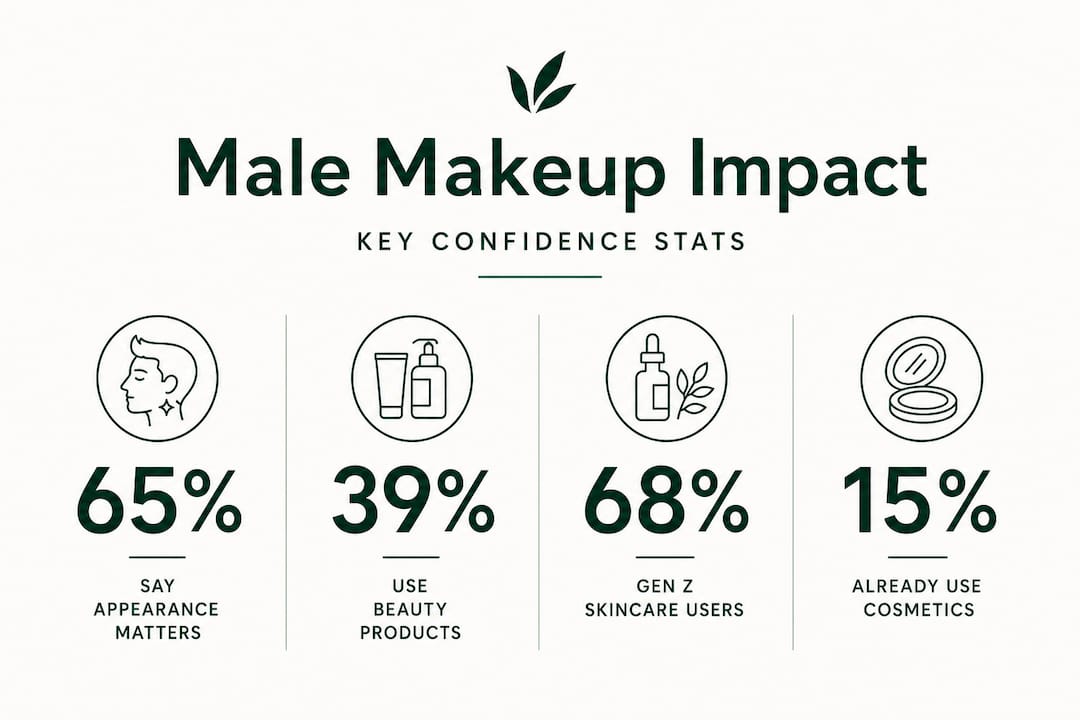
The motivation matters too. In the UK, 65% of young men say looking attractive is important, 39% use beauty products to enhance their appearance, and 35% use them simply to feel better about themselves. That last number is the most telling. It isn’t about impressing others. It’s about the internal lift that comes with knowing you look sharp.
Consider the social dimension as well. Young men aged 18 to 34 in Britain showed doubled consideration for skincare and cosmetics between 2020 and 2024, from 3.1% to 6.1%. That rate outpaces all other male age groups. The stigma isn’t gone, but its grip is loosening fast. Check out the 2026 men’s grooming trends driving this shift if you want a fuller picture of where things are heading.
| Year | Men never wearing makeup | Gen Z skincare users |
|---|---|---|
| 2019 | 90%+ | Not tracked |
| 2022 | ~82% | 42% |
| 2024 | 75% | 68% |
“Looking good isn’t shallow. For a growing number of men, it’s a form of self-respect and preparation for the world.”
The relationship between beauty products and men’s confidence is now backed by real adoption numbers. The data doesn’t lie. Men are buying in, literally and figuratively.
How subtle makeup changes the way men see themselves
The confidence boost from subtle makeup isn’t just in your head, though in a meaningful way, that’s exactly where it starts. Research confirms that subtle enhancements like tinted moisturizers and concealers even out skin tone, reduce the visible signs of fatigue, and improve perceived trustworthiness, competence, and capability in both professional and personal settings.
This is a big deal if you have a job interview, a first date, or any situation where first impressions carry weight. People make snap judgments about your energy, health, and reliability based on how you look. A little product can quietly shift those judgments in your favor without anyone knowing you did anything.
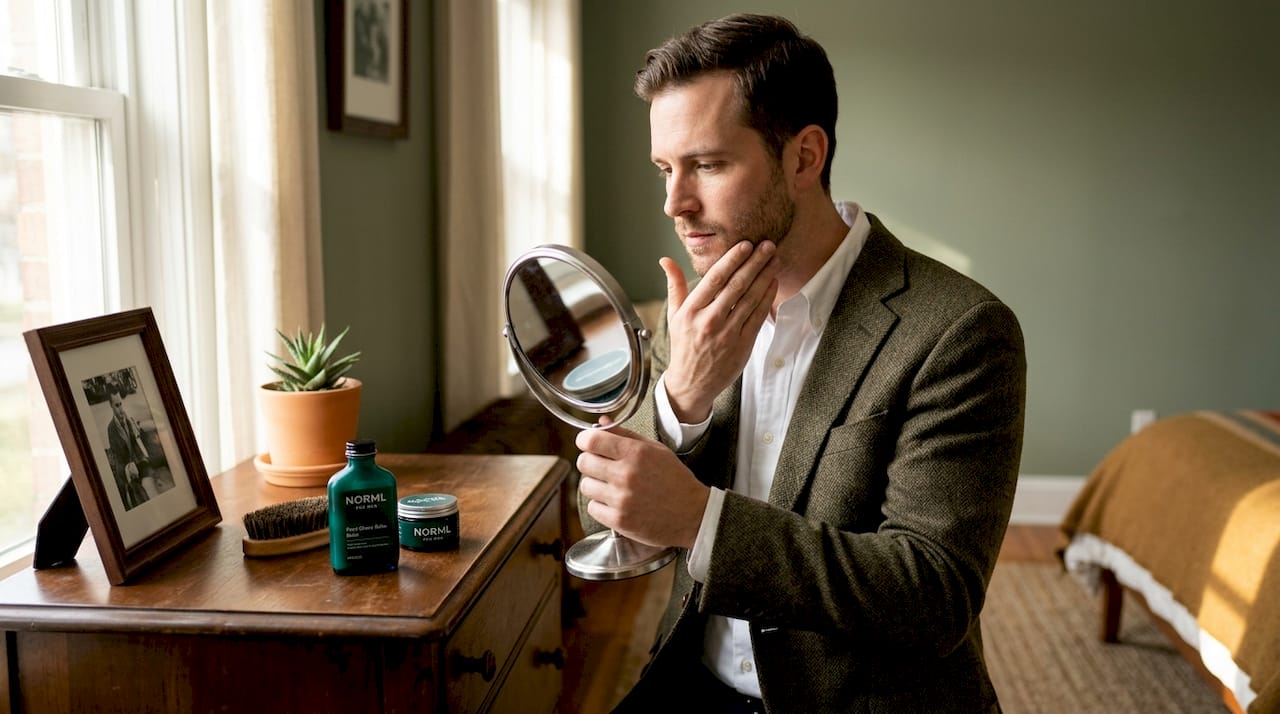
One particularly interesting study examined 18 male university students aged 19 to 24 who self-applied makeup for the first time. The results showed no significant reduction in state anxiety, which is the kind of nervousness you feel before a stressful event. But something else happened: participants’ perceptions of makeup itself changed significantly. They began associating it with words like warm, likable, pleasant, friendly, and neat. In other words, wearing it once made them more positive about the whole idea, and more comfortable with it as part of their image.
That’s worth sitting with. The biggest barrier for most men isn’t the product itself. It’s the mental hurdle of trying it. Once you cross that line, the resistance fades.
Here’s how perceived attributes shift with subtle, well-applied makeup:
| Attribute | Without makeup | With subtle makeup |
|---|---|---|
| Trustworthiness | Neutral | Slightly higher |
| Neatness | Variable | More consistent |
| Confidence | Depends on skin | Appears elevated |
| Fatigue | Visible | Reduced |
| Likeability | Baseline | Often improved |
Pro Tip: If you’re new to this, start with a light concealer and a tinted moisturizer. Apply both with clean fingers for the most natural, skin-like finish. Blending tools can over-apply product and make things look unnatural.
The impact on appearance and confidence is real, but the most effective results come from subtlety. The goal isn’t transformation. It’s refinement. No one should be able to pinpoint what changed. They should just notice you look more put together.
“The most effective makeup for men is the kind nobody notices. It just makes you look like the best version of yourself.”
Makeup for confidence: benefits and boundaries
Let’s be direct about what makeup can and can’t do for you. It’s a powerful tool when used right. It can cover a blemish that’s been bothering you all morning, reduce the redness around your nose, or make dark circles from a bad night’s sleep invisible. These are small wins, but they add up. When you don’t have to think about a flaw on your face, you free up mental energy for everything else.
Here’s a breakdown of the real benefits versus the limits you need to understand:
Benefits of using subtle makeup:
- Instantly improves how others perceive your energy and health
- Reduces visible signs of fatigue, acne, or redness
- Can lower the cognitive load of worrying about your appearance
- Builds positive associations with your own reflection over time
- Provides a quick, controllable confidence lift before high-stakes situations
Boundaries to keep in mind:
- Makeup addresses surface-level appearance, not deeper self-esteem problems
- It works best as one tool in a broader self-improvement routine
- Overuse or compulsive application can become a crutch that worsens self-image
- Seeking perfection through grooming can edge into unhealthy territory
That last point matters. Extreme grooming trends like looksmaxxing have shown up in research and mental health discussions as genuine risks, especially for young men. When appearance improvement is driven by a sense of inadequacy rather than confidence, it can fuel body dysmorphia (a condition where you obsessively focus on perceived flaws), anxiety, and chronically low self-esteem.
The difference between healthy and harmful usually comes down to your starting point. Are you using makeup because you want to look sharper? That’s healthy. Are you using it because you can’t face the world without it? That’s a different conversation.
Pro Tip: Build a simple subtle makeup habit alongside other basics like exercise, quality sleep, and a consistent skincare routine. When your confidence has multiple roots, no single thing can pull it all down.
The sweet spot is using makeup the same way you’d use a good haircut or clean clothes: as part of an overall approach to presenting yourself well, not as a lifeline.
Getting started: simple steps for using makeup to boost confidence
The biggest mistake men make when trying makeup for the first time is overcomplicating it. The goal is simple: even out your skin and reduce distracting flaws so your face looks healthy and rested. You don’t need a full routine or a collection of products.
Here’s a beginner-friendly routine that takes under three minutes:
- Cleanse your face with a simple face wash to remove oil and prep your skin
- Apply a lightweight moisturizer and let it absorb for 60 seconds
- Dab a small amount of tinted moisturizer across your forehead, cheeks, and nose using your fingertips
- Apply concealer directly to any blemishes, dark circles, or redness with your fingertip
- Blend outward gently in small circular motions until the product disappears into your skin
- Check in natural light to make sure nothing looks patchy or obvious
The key tool at every step is your finger. Men applying products with their fingertips get a more natural, skin-like finish than those using brushes or sponges, which can make coverage look heavier than intended.
What to look for in starter products:
- A tinted moisturizer with SPF that matches your skin tone
- A lightweight, matte concealer that covers without caking
- Formulas specifically designed for men’s thicker skin texture
Framing matters. The most successful men who use makeup treat it like grooming and maintenance, not a beauty ritual. It’s the same mindset as trimming your beard or getting a fresh cut before a big day. You’re preparing, not performing.
Check out these discreet techniques for men and subtle enhancement tips for more application detail when you’re ready to level up.
Pro Tip: Take a before and after photo in the same lighting after your first application. The visual difference is usually more noticeable in a photo than in the mirror, and seeing that contrast is genuinely motivating.
The uncomfortable truth about male confidence and makeup
Here’s the part most articles won’t tell you. Makeup can start a confidence engine, but it can’t keep it running on its own.
The research we referenced earlier found no anxiety reduction in makeup-naive men after self-application, even while their perceptions of makeup improved. That finding is actually instructive. It tells you that the confidence boost from looking better is real, but it doesn’t automatically dissolve deep-rooted insecurity. If you’re going into a tough situation filled with dread, covering a blemish won’t fix the dread.
What makeup actually does is lower the friction between how you feel inside and how you present outside. When your skin looks even and rested, your appearance stops working against you. That frees you up. But “freed up” is different from “fixed.”
The men who get the most out of subtle cosmetic routines are the ones using them as one piece of a bigger picture. They exercise. They sleep enough. They push through hard situations without hiding. Makeup is one lever, and it’s a useful one, but it needs other levers beside it.
There’s also something worth saying about authenticity. Most people are not attracted to perfection. They’re attracted to presence, energy, and ease. Obsessing over every flaw, whether through an hour-long makeup routine or constant mirror-checking, actually makes you less magnetic because that anxiety bleeds through. Natural confidence, not visual perfection, is what draws people in.
The best version of this tool looks like this: you spend three minutes in the morning, you look sharp, you stop thinking about your face, and you go win the day. That’s it.
Upgrade your look: next steps for confident men
You’ve got the knowledge. Now it comes down to having the right product in your corner.
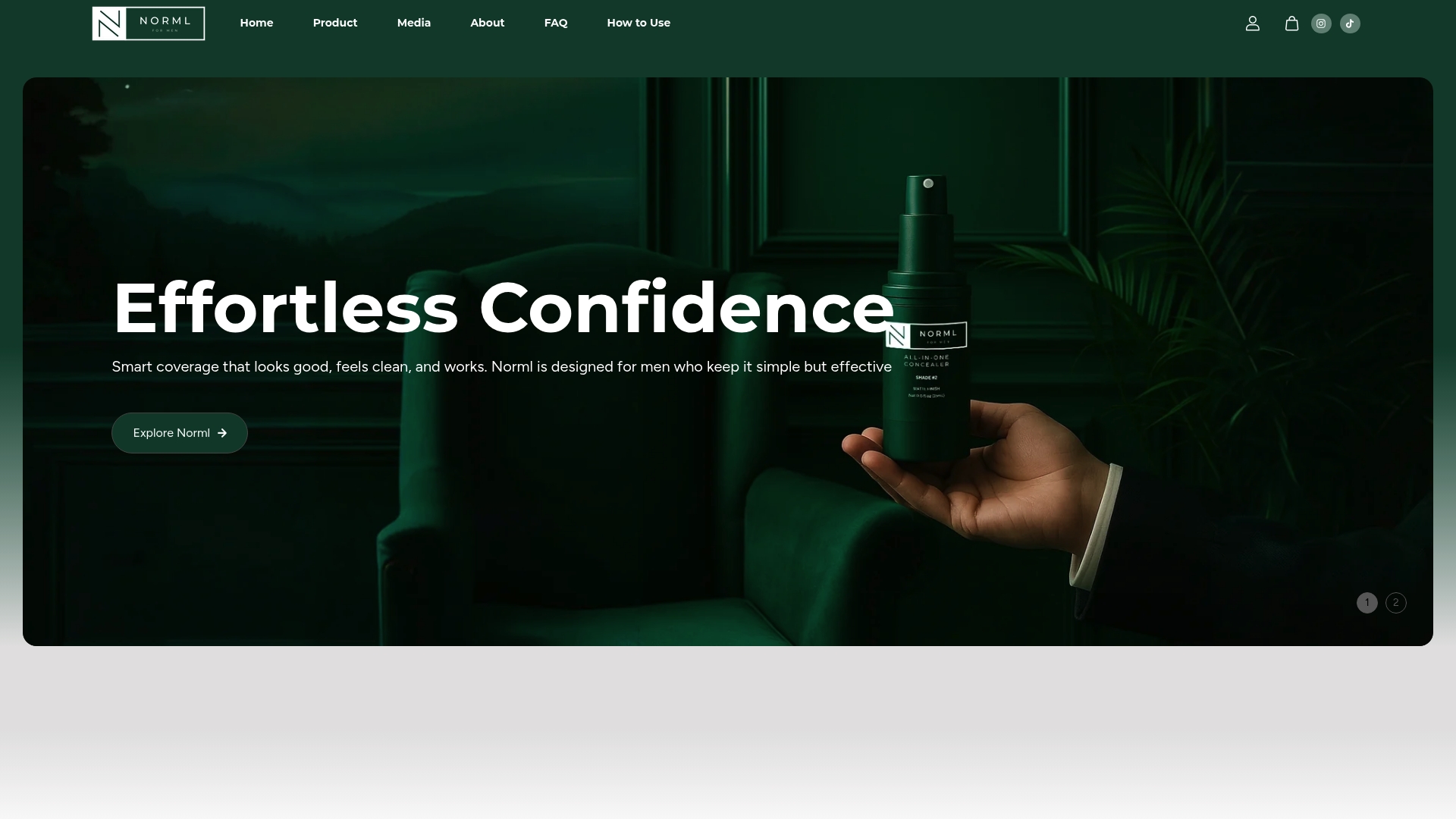
Norml’s All-In-One Concealer was built exactly for the approach described in this guide. It covers blemishes, dark circles, and redness with a lightweight, matte finish that blends directly into your skin with a fingertip. No brush needed. No visible product. No one will know you’re wearing anything. It’s formulated specifically for men’s skin, which means it holds up through a real day without looking cakey or settling into lines. If you want to try the subtle confidence boost this article talks about, Norml is the cleanest starting point available. Look better in under two minutes.
Frequently asked questions
Is it normal for men to use makeup in 2026?
Absolutely. 68% of Gen Z men used facial skincare in 2024 and 15% of US men are already using cosmetics, with stigma continuing to decline year over year.
Does wearing makeup actually boost male confidence?
Yes, but with nuance. Subtle enhancements like concealers and tinted moisturizers improve how others perceive you and how you see yourself, though they work best alongside broader self-care habits.
What makeup products are best for men new to cosmetics?
Start simple. Tinted moisturizer and a light concealer applied with your fingertips give the most natural look with the least risk of overdoing it.
Can relying on makeup harm men’s confidence?
It can if overuse tips into obsession. Extreme grooming driven by inadequacy rather than confidence can feed body dysmorphia and anxiety, so keep makeup in its proper place as one tool among many.


