

How to Hide Redness on Your Face: Real Solutions
TL;DR:
- Hiding facial redness requires soothing skincare, color correction, and proper makeup techniques to achieve natural-looking coverage. Using a thin, precise layer of green or beige corrector on the reddest areas, followed by patting concealer with a damp sponge, creates an invisible finish. Consistent skincare and correct product application reduce redness and improve skin appearance over time.
Hiding facial redness means combining soothing skincare with targeted color correction and the right makeup application technique. The most effective approach treats the skin first, then conceals what remains. Products like Dr.Jart+ Cicapair and green color correctors are the two tools most people skip, yet they make the biggest difference. This guide covers exactly how to hide redness using both skincare prep and makeup, so the result looks like your actual skin, not a cover-up.
What skincare steps reduce facial redness before makeup?
Skincare is not optional prep. It is the foundation that determines how well any makeup performs on red, reactive skin. Skipping this step means your color corrector and concealer are fighting against inflamed, dehydrated skin instead of working with it.
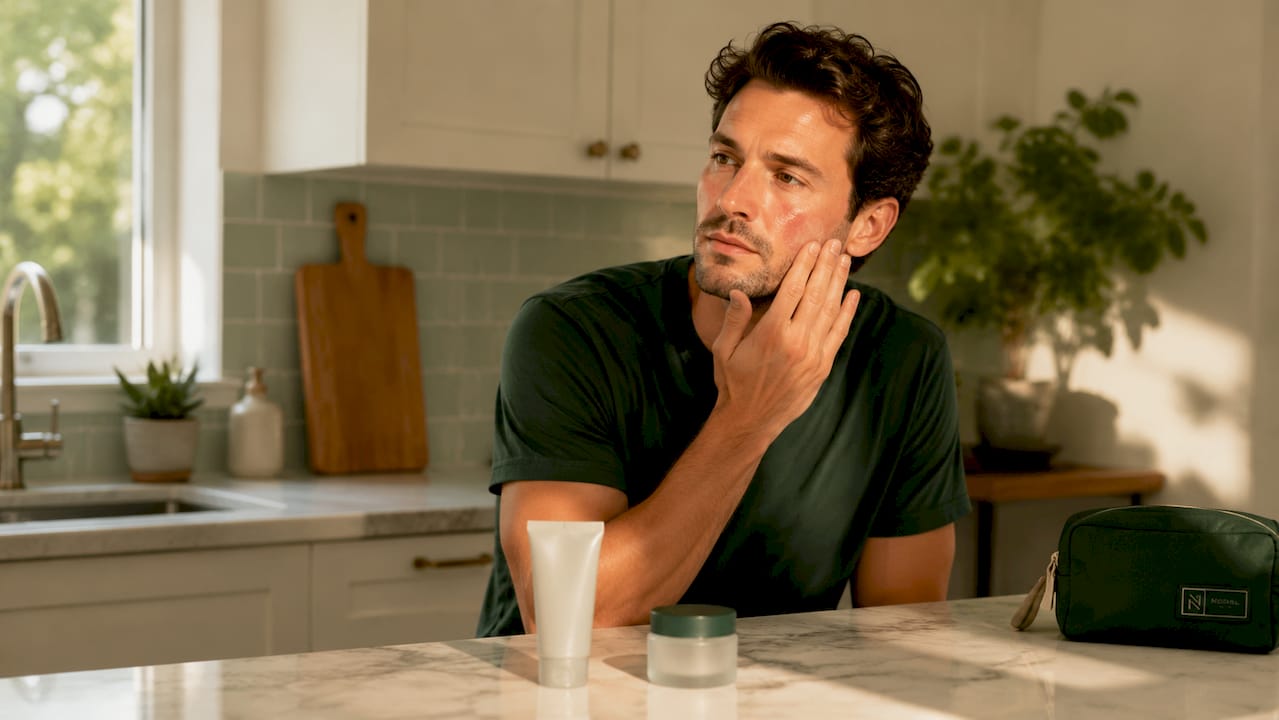
Start with a gentle, fragrance-free cleanser. Harsh cleansers strip the skin barrier, which triggers more redness and inflammation. After cleansing, apply a hydrating serum with ceramides or aloe vera. Ceramide-rich products improve skin hydration by up to 55% after four weeks of consistent use, which directly strengthens the barrier against redness triggers. A stronger barrier means less reactive flushing throughout the day.
Aloe vera is one of the most effective natural remedies for redness. 97.5% aloe vera gel reduces UV-induced redness with repeated application. Apply a thin layer after cleansing and let it absorb fully before layering anything else on top.
Follow your serum with a moisturizer suited to your skin type. For red, sensitive skin, look for formulas containing niacinamide, centella asiatica, or oat extract. These ingredients actively calm inflammation rather than just hydrating the surface. Finish with an SPF 30 or higher. Sun exposure is one of the most common triggers for persistent facial redness, and daily SPF protection is the single most underused tool for managing it long term.
Pro Tip: Wait at least 15 minutes after applying moisturizer before starting makeup. Applying corrector on damp skin causes it to slide and patch, ruining coverage before you even start.
- Use a fragrance-free, sulfate-free cleanser
- Apply a ceramide or aloe vera serum while skin is still slightly damp
- Follow with a calming moisturizer containing niacinamide or centella asiatica
- Apply SPF 30 daily, even indoors near windows
- Wait 15 minutes before applying any makeup product
How does color correction neutralize redness?
Color correction is the step that most people either skip entirely or get wrong. The principle is straightforward: green neutralizes red on the color wheel. Applying a thin layer of green corrector under your concealer or foundation cancels out the red tone before you try to cover it, which means you need far less product overall.
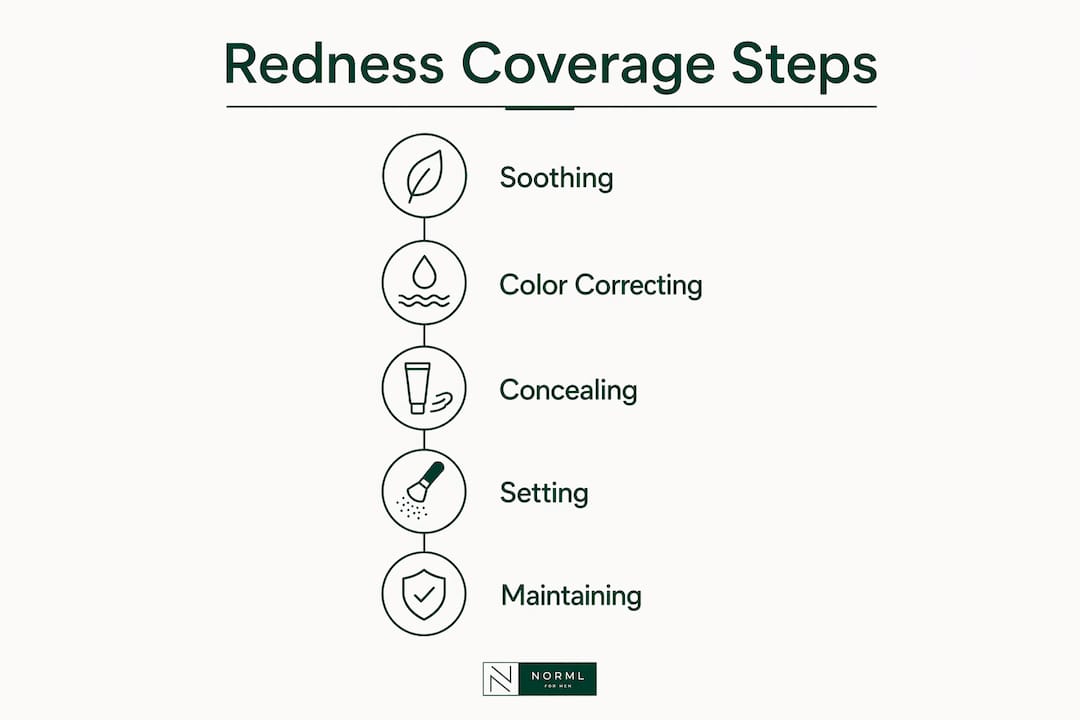
The most common mistake is applying too much. Over-applying green corrector produces an unwanted green cast that shows through foundation. Professional makeup artists recommend using the thinnest visible layer possible. Less product, applied precisely, gives you invisible correction.
Green corrector vs. green-to-beige corrector
Not all correctors work the same way. Solid green correctors are highly pigmented and work best for deep, concentrated redness like a specific blemish or broken capillary. Green-to-beige formulas, like the Fiera Cosmetics Good Reddance Instant Redness Corrector, are designed differently. Green-to-beige formulas adapt to skin tone better than solid green correctors, making them a better choice for broader areas of redness across the cheeks, nose, or chin.
| Corrector type | Best for | Finish |
|---|---|---|
| Solid green corrector | Concentrated spots, blemishes | Requires full coverage foundation over it |
| Green-to-beige formula | Broad facial redness, cheeks, nose | Works under light coverage or tinted moisturizer |
| Peach or salmon corrector | Redness on deeper skin tones | More natural under medium coverage |
For lighter skin tones, a solid green corrector under a medium-coverage foundation works well. For medium to deeper skin tones, a peach or salmon corrector often neutralizes redness more naturally than green. The goal is to choose the corrector that disappears under your foundation, not one that requires heavy coverage to hide.
Pro Tip: Dot the corrector only on the reddest areas rather than spreading it across your whole face. Invisible, subtle layers of corrector under foundation always outperform a thick, even coat.
What are the step-by-step techniques to cover red spots naturally?
Application technique matters as much as product choice. The wrong method can break down your color corrector, shift your concealer, and leave you with patchy coverage that looks worse than nothing.
-
Apply color corrector first. Use a small, flat brush or your ring finger to dot the corrector directly onto red areas. Press gently rather than spreading. Let it sit for 30 seconds before moving on.
-
Layer concealer over the corrector. Choose a concealer that matches your skin tone exactly. A shade too light will highlight the area instead of blending it. Press the concealer on top of the corrector using a damp makeup sponge or your ring finger. The pat and press technique preserves the corrector underneath and gives a natural, invisible finish. Rubbing or dragging the product disturbs the layers and reduces coverage.
-
Apply foundation or tinted moisturizer. For most people with facial redness, a hydrating tinted moisturizer or a skin-perfecting fluid foundation gives better results than a full-coverage matte formula. Heavy matte makeup clings to dry, red patches and exaggerates texture. A lighter, hydrating formula blends more naturally and looks like skin rather than a mask.
-
Set lightly with a translucent powder. Use a fluffy brush to dust a small amount of translucent setting powder only over areas that tend to get oily. Avoid pressing powder into dry or flaky patches, as this emphasizes texture and makes redness more visible.
-
Check in natural light. Bathroom lighting is often warm and flattering. Step outside or near a window to confirm the coverage looks natural before leaving the house.
For men specifically, a single product like a tinted moisturizer with SPF can replace steps two and three entirely. The blemish coverage guide from Norml4men covers how to layer and blend products for a natural finish without looking like you are wearing anything.
What mistakes make redness look worse?
Most coverage failures come down to a small number of repeatable errors. Fixing these is faster than finding new products.
- Applying makeup on damp skin. Moisturizer that has not fully absorbed causes every product applied over it to slide. Wait the full 15 minutes.
- Using too much green corrector. A thick green layer shows through foundation and creates an unnatural tone. Use the minimum amount that visibly reduces redness.
- Choosing heavy matte foundations. Matte formulas dry down and cling to any dry or flaky patches, making redness and texture more visible, not less.
- Rubbing instead of pressing. Dragging a brush or finger across the skin moves product sideways instead of pressing it into the skin. Always press and pat.
- Skipping skincare. Makeup applied directly to inflamed, dehydrated skin never looks natural. The less is more approach of combining soothing botanics with barrier repair is what makes makeup work better over time.
- Ignoring the skin barrier. Persistent redness is often a sign of a compromised barrier. Consistently using ceramide or aloe vera products reduces baseline redness over weeks, meaning you need less coverage daily.
The most overlooked fix is also the simplest: drink enough water and avoid known triggers like alcohol, spicy food, and extreme heat. These lifestyle factors directly affect how red your skin looks before you apply a single product. For a deeper look at reducing redness for men, Norml4men covers both skincare and lifestyle strategies in detail.
Key takeaways
Hiding facial redness requires soothing the skin first, neutralizing red tones with a color corrector, and applying lightweight coverage using a press-and-pat technique.
| Point | Details |
|---|---|
| Skincare comes first | Use ceramide or aloe vera products to reduce baseline redness before any makeup. |
| Color correction neutralizes, not covers | Apply a thin green or green-to-beige corrector only on the reddest areas. |
| Technique beats product | Press and pat with a damp sponge instead of rubbing to preserve layers. |
| Avoid heavy matte formulas | Hydrating tinted moisturizers give better coverage on red, dry skin. |
| Patience builds results | Consistent barrier-repair skincare reduces redness over weeks, cutting down on daily makeup needs. |
What I have learned from years of watching men get this wrong
Most men I talk to about facial redness make the same mistake: they reach for more product when coverage fails, instead of fixing the step that broke down. More concealer on top of a bad base just creates a thicker bad base.
The real shift happens when you treat skincare as part of the coverage process, not a separate routine. A calming serum with centella asiatica or niacinamide applied consistently for four weeks changes how your skin responds to everything you put on it afterward. The Dr.Jart+ Cicapair treatment is one of the few products that does both at once, with 96% of users reporting immediate visible redness correction and barrier repair observed in clinical testing.
The other thing I would push back on is the idea that you need a complicated routine. For most men, three products handle everything: a calming moisturizer, a green-to-beige corrector, and a lightweight tinted moisturizer with SPF. That is it. The color correcting techniques that professional makeup artists use are not complicated. They are just precise. Thin layers, the right order, and a damp sponge.
Managing redness is not about hiding who you are. It is about showing up looking like the best version of yourself, without anyone knowing you did anything at all.
— Ford
How Norml4men simplifies redness coverage for men

Norml4men built its all-in-one concealer specifically for men who want to cover redness, blemishes, and dark circles without looking like they are wearing makeup. The formula is lightweight and matte, designed to press into skin and blend without leaving a visible layer. You apply it the same way this article describes: press and pat onto the reddest areas, blend outward, and go. No separate corrector, no foundation on top. One product handles the job in under a minute. If you want a simple, daily solution that works with your skin instead of against it, the Norml all-in-one concealer is the place to start.
FAQ
What is the fastest way to hide redness on your face?
Apply a thin layer of green or green-to-beige color corrector on red areas, then press a lightweight concealer or tinted moisturizer on top using a damp sponge. The pat-and-press technique gives the most natural finish in the least time.
Do natural remedies actually reduce skin redness?
Yes. Aloe vera and ceramide-based products are the most evidence-backed options. Consistent use of ceramide-rich moisturizers improves skin hydration and strengthens the barrier against redness triggers over four weeks.
Can men use color correctors without looking like they are wearing makeup?
Green-to-beige correctors are specifically formulated to disappear under light coverage, making them the best option for men who want a natural look. Apply a minimal amount and blend well before adding any tinted moisturizer on top.
Why does my concealer look patchy over red skin?
Patchiness usually means the moisturizer underneath had not fully absorbed before you applied makeup. Wait at least 15 minutes after moisturizing, and switch to a hydrating formula instead of a heavy matte concealer.
How do I pick the right shade to cover red spots?
Match your concealer to your natural skin tone, not lighter. A shade that is too light highlights the area instead of blending it. For deeper skin tones, a peach or salmon corrector neutralizes redness more naturally than green. The concealer shade guide from Norml4men walks through the selection process clearly.


