

Why Men Avoid Cakey Makeup: Get a Natural Look
TL;DR:
- Men avoid cakey makeup because it creates an unnatural, layered finish that conflicts with their desire for subtle grooming. Proper skin preparation and selecting matte, buildable products help achieve a natural look that enhances confidence without appearing obvious.
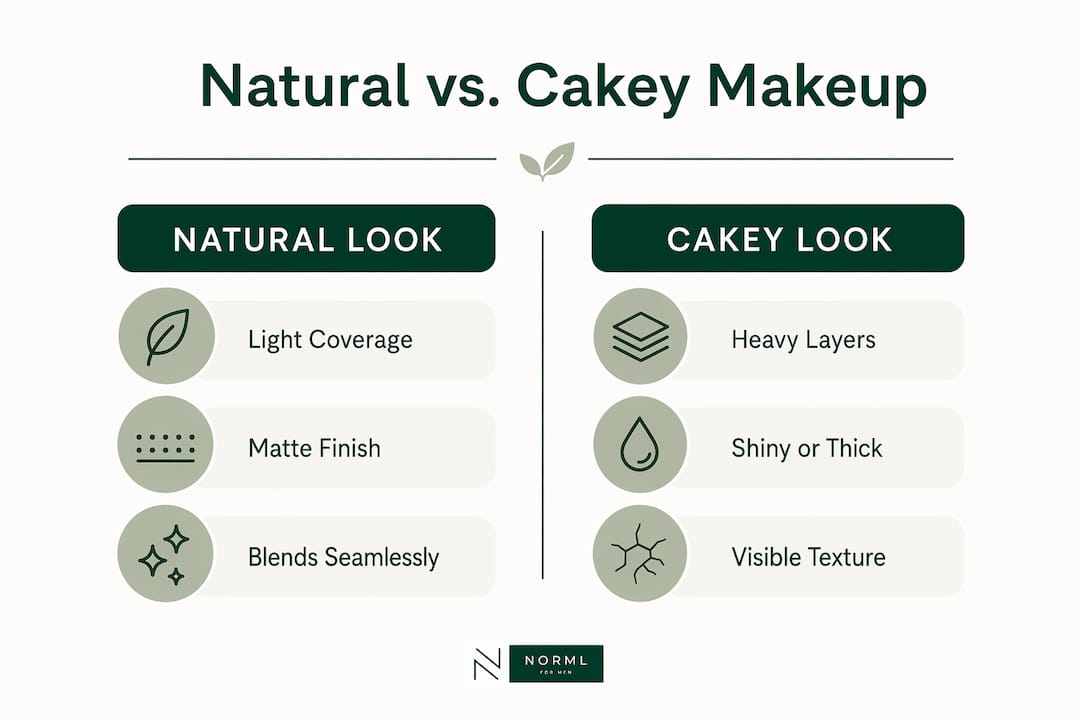
Cakey makeup is defined as visibly layered, heavy cosmetic coverage that sits on top of the skin rather than blending into it. Men avoid cakey makeup because it creates an unnatural finish that directly conflicts with the male preference for subtle, barely-there enhancement. Research confirms that men prefer makeup that enhances natural features rather than masks them. Understanding this preference is the first step toward choosing the right products and techniques. Brands like Norml4men have built their entire product line around this insight, and Vogue’s grooming guides consistently point to matte, lightweight formulas as the standard for male cosmetic use.
Why men avoid cakey makeup and what drives it
The core reason men dislike heavy makeup comes down to authenticity. A cakey finish signals effort in a way that reads as obvious, and most men want their appearance to look effortless. Excessive makeup creates a social perception of “trying too hard,” which conflicts directly with the confidence and ease men associate with a sharp appearance. That perception is not superficial. It reflects a deeper psychological preference for looks that feel real.
Heavy coverage also physically changes how a face reads. Thick product layers can settle into fine lines, pores, and dry patches, creating a texture that looks artificial under natural light. The result is a face that appears masked rather than groomed. For men aged 18–35 who are new to cosmetics, this is often the exact outcome they fear most, and it explains why so many avoid makeup entirely rather than risk looking overdone.
The good news is that cakey makeup is almost always a technique and product problem, not an unavoidable outcome. The right formulation, applied correctly over prepared skin, produces results that no one can detect.
How do men’s skincare routines affect makeup finish?
Skin preparation is the single biggest factor in whether makeup looks natural or cakey. Dry, unprepared skin causes product to cling unevenly, settle into pores, and crack at the edges of blemishes. A 3-step skincare routine of cleanser, moisturizer, and sunscreen covers 90% of men’s skin care needs and costs between $30 and $50. That routine creates the smooth, hydrated base that makeup needs to sit flat and blend cleanly.

Moisturizer application technique matters more than most men realize. Applying moisturizer on damp skin helps the product absorb faster and creates a surface that makeup can grip without clumping. Dry skin acts like a sponge with gaps. Hydrated skin acts like a smooth canvas. The difference in final makeup appearance is significant.
Men who skip skincare before applying concealer or foundation will almost always end up with a cakey result, regardless of how good the product is. A solid men’s skincare routine is not optional prep. It is the foundation of natural-looking coverage.
Pro Tip: Apply your moisturizer right after washing your face, while your skin is still slightly damp. Wait 60 seconds before applying any makeup product. This one step alone reduces patchiness and product buildup noticeably.
What makeup formulations work best for men?
Product choice determines whether coverage looks natural or artificial. The wrong formula will look cakey no matter how well it is applied. The right formula can make coverage nearly invisible.
Matte finish foundations are the preferred choice for men because they mimic the natural texture of skin without adding shine or sparkle. Shimmery or satin finishes reflect light in ways that draw attention to the fact that something is on the skin. Matte products absorb light the same way bare skin does, which keeps the finish undetectable.
Mineral makeup with titanium dioxide-free formulas offers breathable, natural coverage without the heaviness of traditional foundations. These formulas provide UV protection and sit lightly on the skin, making them ideal for everyday male grooming. Thick concealers and heavy powders are the two most common causes of visible layering and should be avoided unless applied with extreme restraint.
| Product Type | Finish | Best For | Risk of Cakiness |
|---|---|---|---|
| Matte foundation | Flat, natural | Even skin tone | Low |
| Tinted moisturizer | Sheer, natural | Light coverage | Very low |
| Mineral powder | Natural, breathable | Oily skin | Low |
| Satin/luminous foundation | Dewy, reflective | Dry skin | Medium |
| Heavy full-coverage concealer | Opaque | Severe blemishes | High |
Tinted moisturizers are worth calling out specifically. They deliver the lightest possible coverage and are nearly impossible to over-apply. For men who want to even out skin tone without any risk of looking made-up, a tinted moisturizer is the safest starting point.
Pro Tip: When shopping for men’s complexion products, filter by “matte” and “buildable coverage.” Avoid anything labeled “full coverage” or “high coverage” until you have practiced with lighter formulas first.
Why do men psychologically prefer natural makeup looks?
The preference for subtle cosmetics is not just about aesthetics. It connects to how men think about identity, confidence, and social perception. Psychological research shows that subtle makeup maintains emotional connection by keeping facial expressions visible and readable. Heavy coverage can physically flatten micro-expressions, making a face harder to read and reducing perceived warmth and authenticity.
Social concerns amplify this. Men who wear makeup often cite fear of judgment as their primary barrier. The fear is not that people will know they wear makeup. The fear is that people will see them wearing makeup. That distinction matters. Invisible grooming is accepted. Obvious cosmetics attract attention and commentary. Achieving invisible makeup is therefore not just a style preference. It is a social strategy.
“Men generally prefer makeup that enhances rather than transforms their look. Heavy makeup may signal low authenticity and reduce emotional connection.” — Insight from research on male makeup preferences
This is why the concept of “no-makeup makeup” resonates so strongly with men entering the grooming space. The goal is not to look like you are wearing makeup. The goal is to look like a better version of yourself. That framing removes the social risk entirely and reframes cosmetics as a confidence tool rather than a costume.
For a deeper look at the cultural and personal factors behind this, the Norml4men breakdown of why men avoid obvious looks covers the full picture.
How to apply makeup without looking cakey
Technique is where most beginners go wrong. Even the right product on well-prepared skin can look cakey if applied incorrectly. The fix is simple: use less product than you think you need, and build coverage only where it is actually required.
Here is a step-by-step application process that keeps the finish natural:
- Cleanse your face with a gentle face wash to remove oil and debris.
- Apply moisturizer on damp skin and let it absorb for 60 seconds.
- Dot concealer only on problem areas, such as blemishes, redness, or dark circles. Do not apply it across the entire face unless necessary.
- Blend outward from the center of each dot using a fingertip or a damp makeup sponge. Never rub. Pat and press.
- Check coverage in natural light before adding more product. Most men apply too much in artificial bathroom lighting.
- Set with a light mist of setting spray rather than powder. Powder adds visible texture. Setting spray locks coverage without adding weight.
Choosing the right concealer shade is critical. Match your natural skin tone exactly. Do not go lighter under the eyes in an attempt to brighten them. A lighter shade creates a highlighted patch that draws more attention than the dark circle it was meant to cover.
Over-application and wrong formulations are the two most common causes of a cakey result. Dry skin, harsh powders, and thick concealers all compound the problem. Avoid layering multiple products over the same area. If one layer of concealer does not fully cover a blemish, a second thin layer applied after the first has dried is far better than pressing more product into wet coverage.
Pro Tip: Less is always more on the first pass. You can add coverage in 30 seconds. Removing excess product without disturbing the rest of your application takes much longer and often makes things worse.
For a full visual walkthrough, the Norml4men undetectable makeup tutorial covers every step in detail.
Key takeaways
Men avoid cakey makeup because it creates an unnatural, visibly layered finish that conflicts with the male preference for subtle, confidence-driven grooming.
| Point | Details |
|---|---|
| Skin prep is non-negotiable | A 3-step routine of cleanser, moisturizer, and sunscreen prevents cakey patches before they start. |
| Matte formulas win every time | Matte and mineral products mimic natural skin texture; shimmery or satin finishes draw attention. |
| Match your shade exactly | Concealer that matches your skin tone blends invisibly; lighter shades create visible contrast. |
| Apply less, build slowly | Dot product only on problem areas and blend outward; over-application is the top cause of cakiness. |
| Social confidence drives the preference | Men prefer invisible grooming because obvious makeup attracts judgment rather than compliments. |
The real reason “natural” matters more than you think
I have spent years watching men approach makeup with the same fear: that they will end up looking worse than if they had done nothing at all. That fear is valid, and it almost always traces back to one mistake. They start with too much product.
The first time I tried a concealer, I applied it the way I had seen it done on screen, which meant covering a large area with a thick layer. The result was exactly what I feared. It looked like I was wearing something. The fix was not a better product. It was using a fraction of the amount and targeting only the spots that actually needed coverage.
What I have found is that men who succeed with makeup stop thinking about it as “putting something on” and start thinking about it as “fixing specific problems.” That mental shift changes everything about how you apply it. You use less. You blend more. You check in natural light. The result looks like good skin, not like makeup.
The other thing worth saying plainly: skincare matters more than the product you buy. I have seen men spend money on premium concealers and still end up with a cakey finish because they applied it over dry, unprepped skin. Spend the $30–$50 on a basic skincare routine first. The makeup will perform completely differently on hydrated, clean skin.
Subtle makeup for men is not a compromise. It is the entire point. The goal was never to look like you are wearing makeup. The goal is to look sharp, even, and confident without anyone knowing why.
— Ford
The Norml4men solution for a natural, non-cakey finish
If you want coverage that actually disappears into your skin, Norml4men built exactly that.
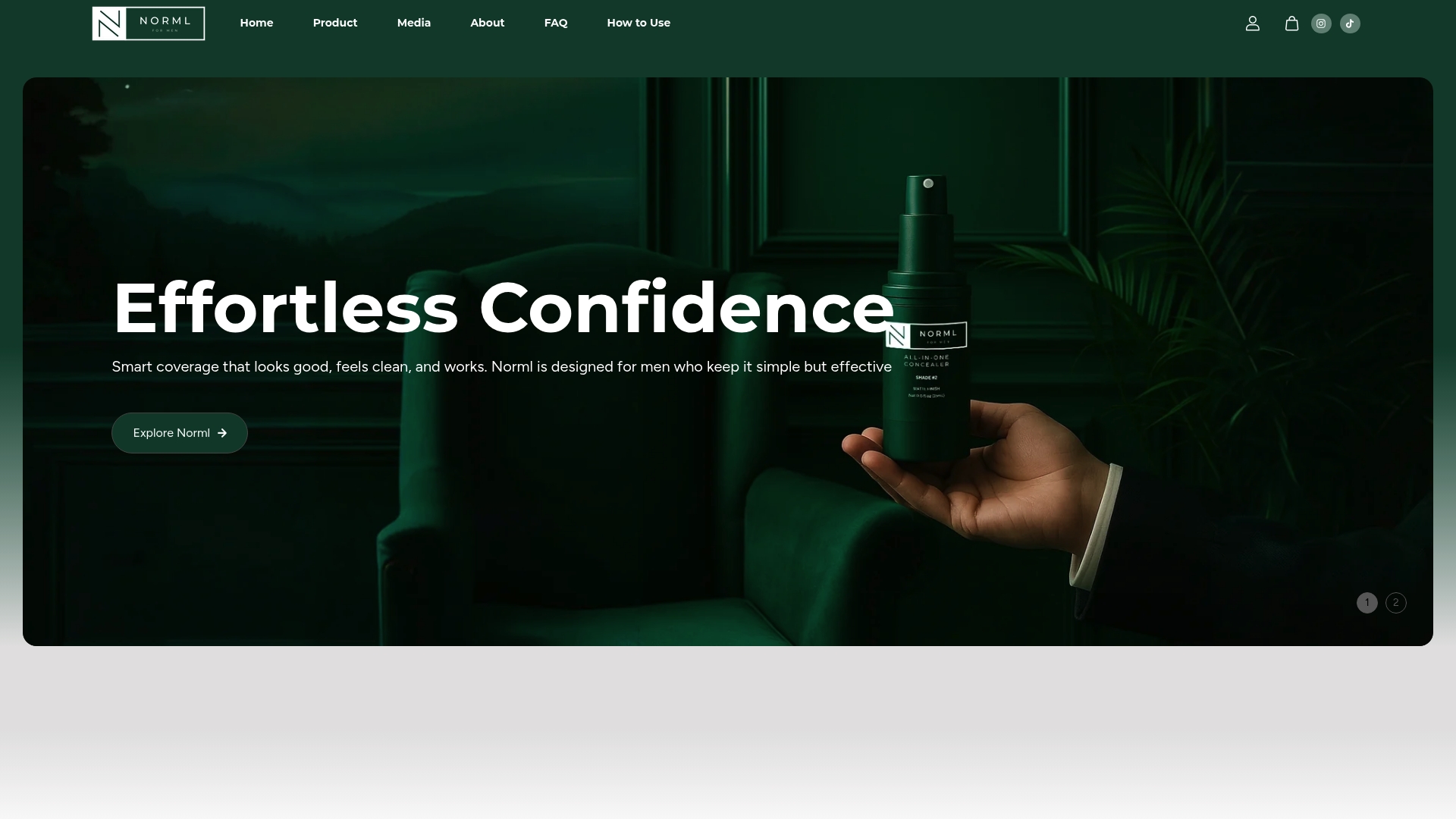
The Norml All-In-One Concealer is lightweight, matte, and formulated specifically for male skin tones. It covers blemishes, redness, and dark circles without sitting on top of the skin or creating the visible texture that makes men avoid makeup in the first place. It works directly with the skincare and application principles covered in this article. Prep your skin, apply a small amount where you need it, and blend. That is the entire process. Norml4men also has a curated breakdown of the top men’s complexion products if you want to compare options before committing.
FAQ
What causes cakey makeup on men’s skin?
Cakey makeup is caused by dry skin, over-application of product, and using thick or heavy formulations. Dry skin and harsh powders are the most common culprits, and both are preventable with proper skin prep.
What is the best makeup finish for men who want a natural look?
Matte finish products are the best choice for men. Matte formulas mimic natural skin texture and avoid the shine or sparkle that makes cosmetics visible.
Should men use a lighter concealer shade to cover dark circles?
No. Matching your exact skin tone produces the most undetectable result. A lighter shade creates a highlighted patch that draws more attention than the dark circle itself.
How do men avoid looking like they are wearing makeup?
Apply product only to problem areas, use a matte or mineral formula, and blend thoroughly with a fingertip or damp sponge. A light touch in application and selective coverage are the two most effective techniques for an undetectable finish.
Does skincare really affect how makeup looks?
Yes, significantly. Applying moisturizer on damp skin creates a smooth base that prevents product from clinging to dry patches or settling into pores, which is the direct cause of a cakey appearance.


